Jevon on Finite Coal

“But the new applications of coal are of an unlimited character. In the command of force, molecular and mechanical, we have the key to all the infinite varieties of change in place or kind of which nature is capable. No chemical or mechanical operation, perhaps, is quite impossible to us, and invention consists in discovering those which are useful and commercially practicable… For once it would seem as if in fuel, as the source of universal power, we had found an unlimited means of multiplying our command over nature. But alas no! The coal is itself limited in quantity; not absolutely, as regards us, but so that each year we gain our supplies with some increase of difficulty.” – Jevons, W.S. (1865), ‘The Coal Question: An Inquiry concerning the Progress of the Nation, and the Probable Exhaustion of our Coal‐Mines’, § 9, §§ 15.

The Idiots Guide to the Future of Stuff
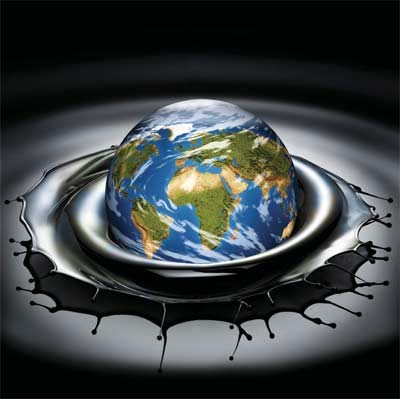
The Earth is suspended in a bottom-less Ocean of Oil.  That’s a good thing, since as a result oil will never run out.  People who tell you things like “oil reserves are the result of millions of years of organic matter sequestration” are liars and braggarts, and you should stop hanging out with them.

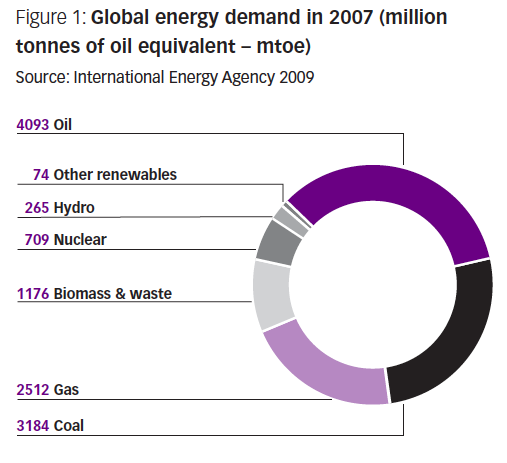
[1] Oil dominates global energy demand

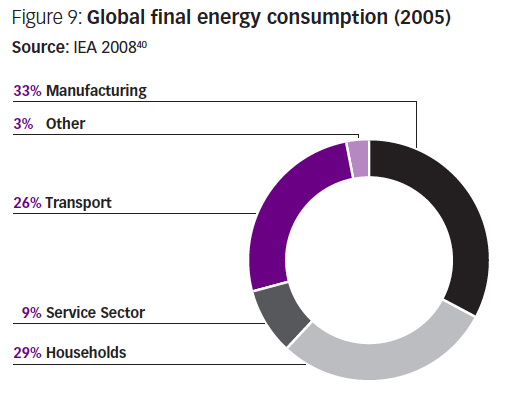
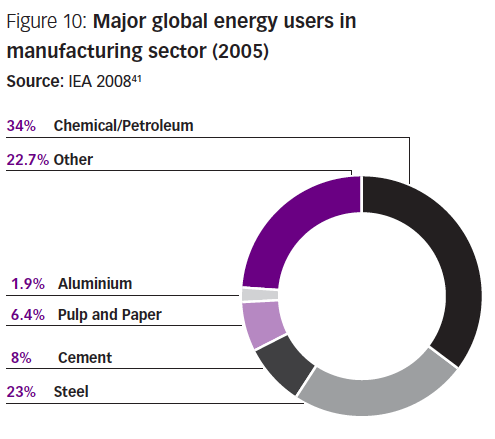
[2] … most of which is used in the manufacturing sector …
[3] … to make this kind of stuff:
δ^2(Fellow species exterminated) / δ(time)^2
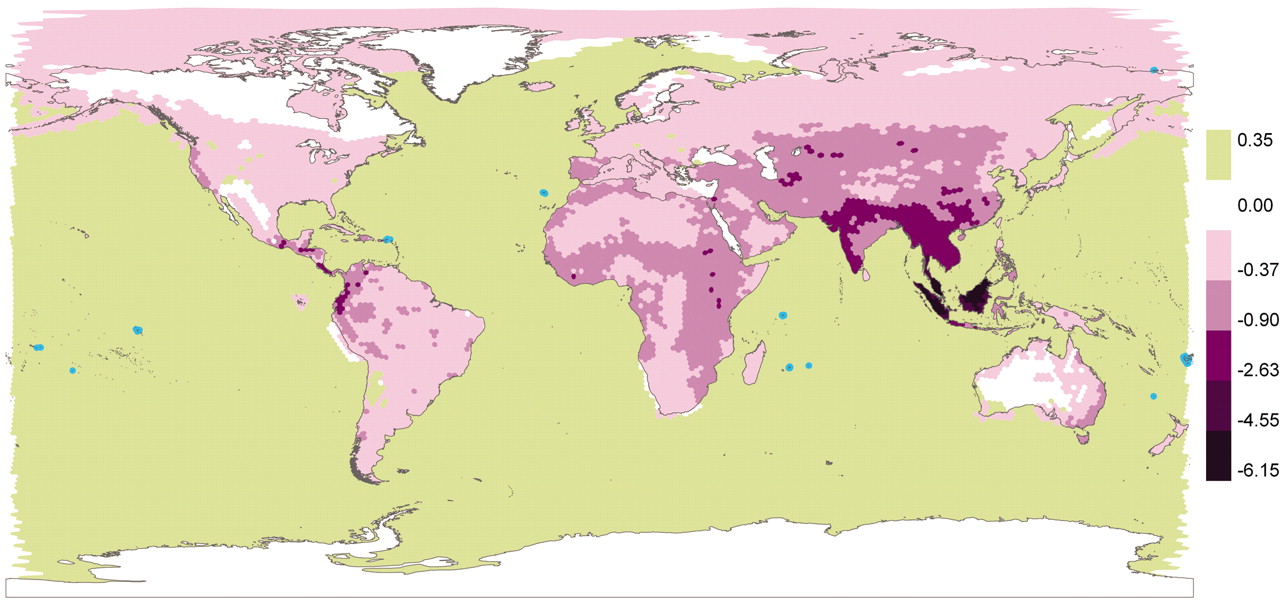
Global patterns of net change in overall extinction risk across birds, mammals, and amphibians mapped as average number of genuine Red List category changes per cell per year. Purple corresponds to net deterioration (i.e., net increase in extinction risk) in that cell; green, net improvement (i.e., decrease in extinction risk); white, no change. The uniform pattern of improvement at sea is driven by improvements of migratory marine mammals with cosmopolitan distributions (e.g., the humpback whale). Note that the intensity of improvements never matches the intensity of deteriorations.

Hoffmann et al. (2010), ‘The Impact of Conservation on the Status of the World’s Vertebrates’, Science 330 (6010), p. 1503-1509.

δ(Fellow species exterminated) / δ(time)
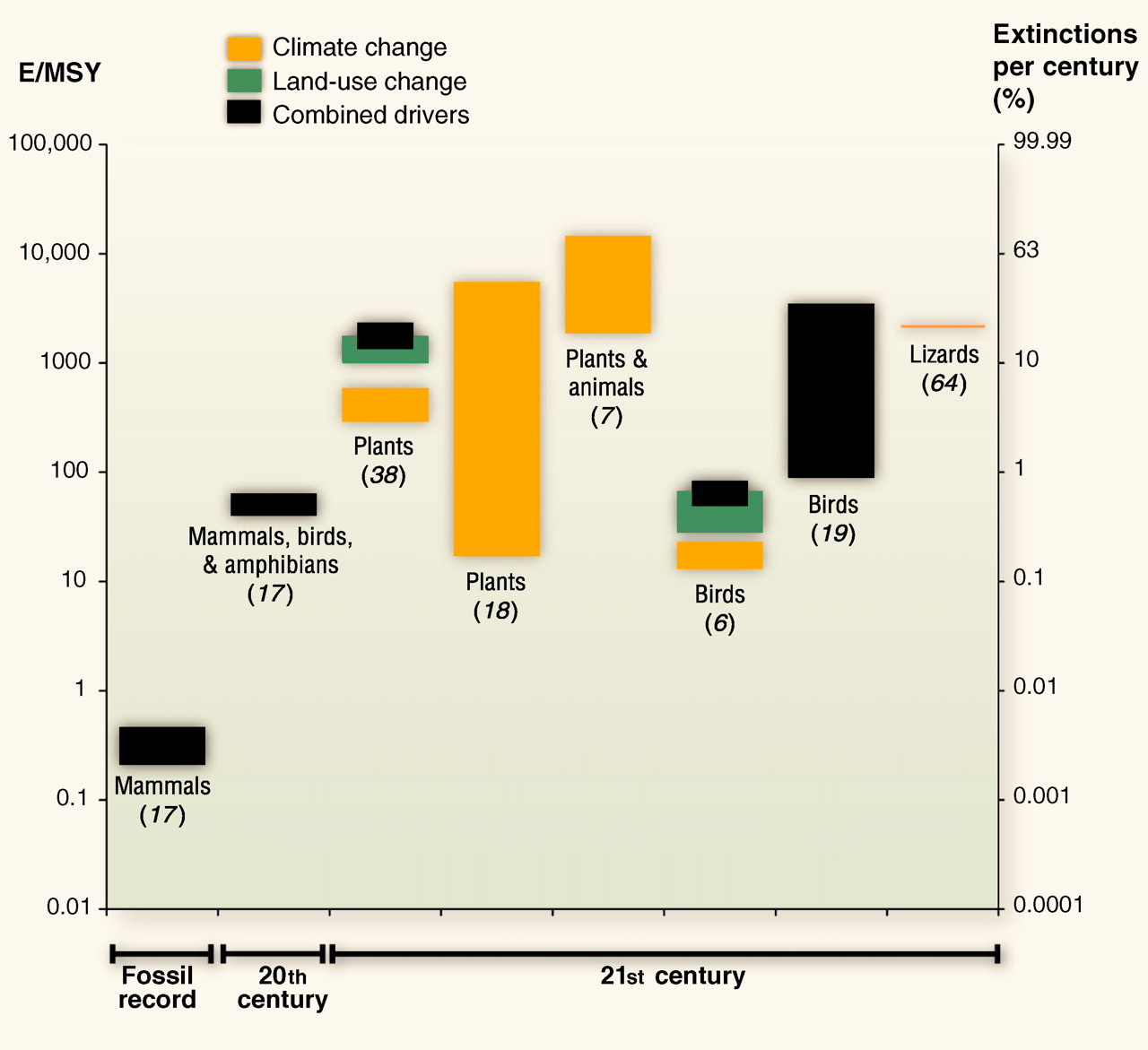
Comparison of recent and distant past extinction rates with rates at which species are “committed to extinction” during the 21st century (63). E/MSY is number of extinctions per million species years; “Fossil record” refers to the extinction rate of mammals in the fossil record (17); “20th century” refers to documented extinctions in the 20th century—mammals (upper bound), birds, and amphibians (lower bound) (17); “21st century” refers to projections of species committed to extinction according to different global scenarios: vascular plants (38, 18), plants and animals (7), birds (6, 19), and lizards (64). Extinction rate caused by each driver and total extinction rates are discriminated, when possible.

Pereira et al. (2010), ‘Scenarios for Global Biodiversity in the 21st Century’, Science 330 (6010), p. 1496-1501.
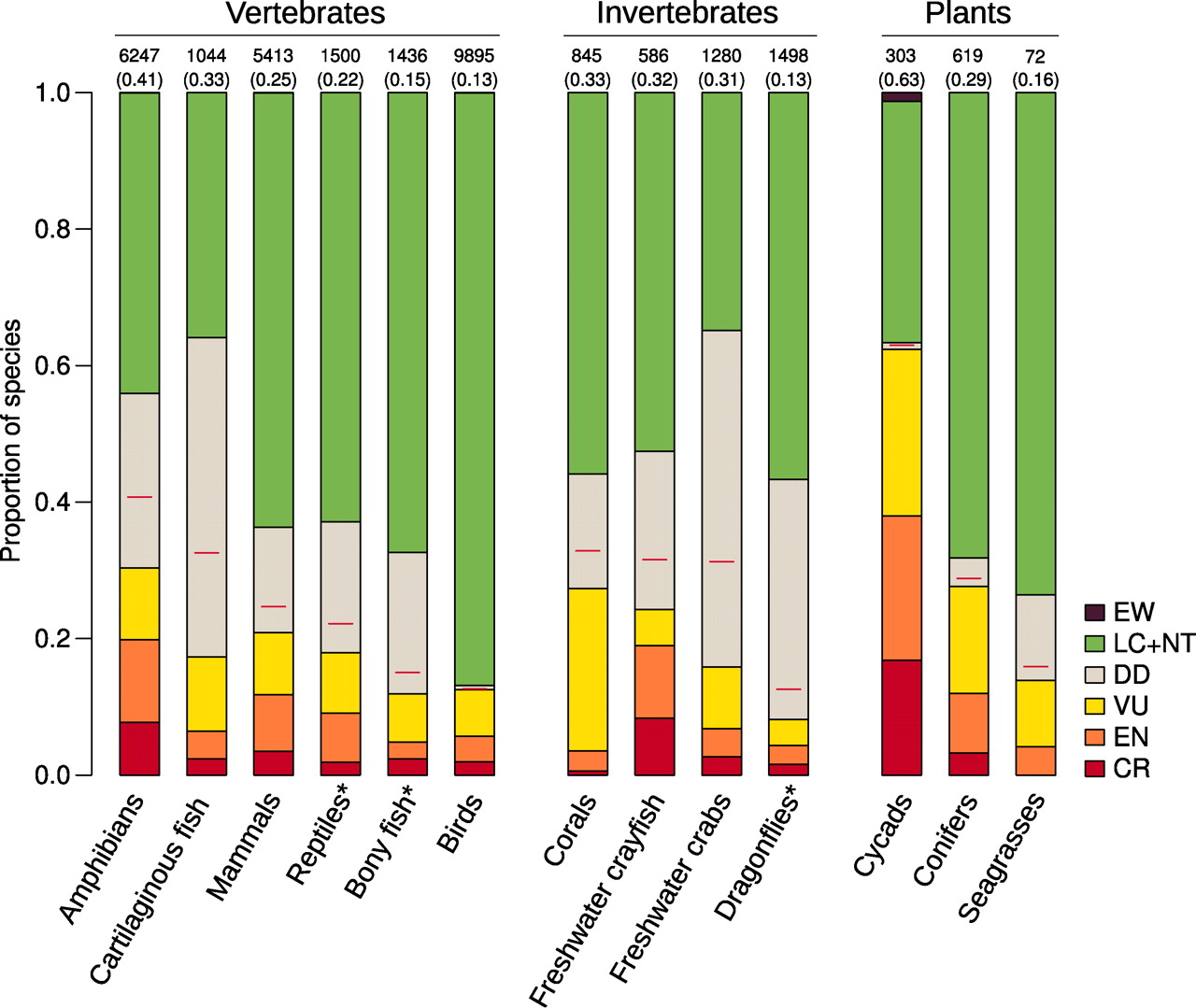
The proportion of vertebrate species in different Red List categories compared with completely (or representatively) assessed invertebrate and plant taxa on the 2010 IUCN Red List (15). EW, Extinct in the Wild; CR, Critically Endangered; EN, Endangered; VU, Vulnerable; NT, Near Threatened; LC, Least Concern; DD, Data Deficient. Extinct species are excluded. Taxa are ordered according to the estimated percentage (shown by horizontal red lines and given in parentheses at tops of bars) of extant species considered Threatened if Data Deficient species are Threatened in the same proportion as data-sufficient species. Numbers above the bars represent numbers of extant species assessed in the group; asterisks indicate those groups in which estimates are derived from a randomized sampling approach.
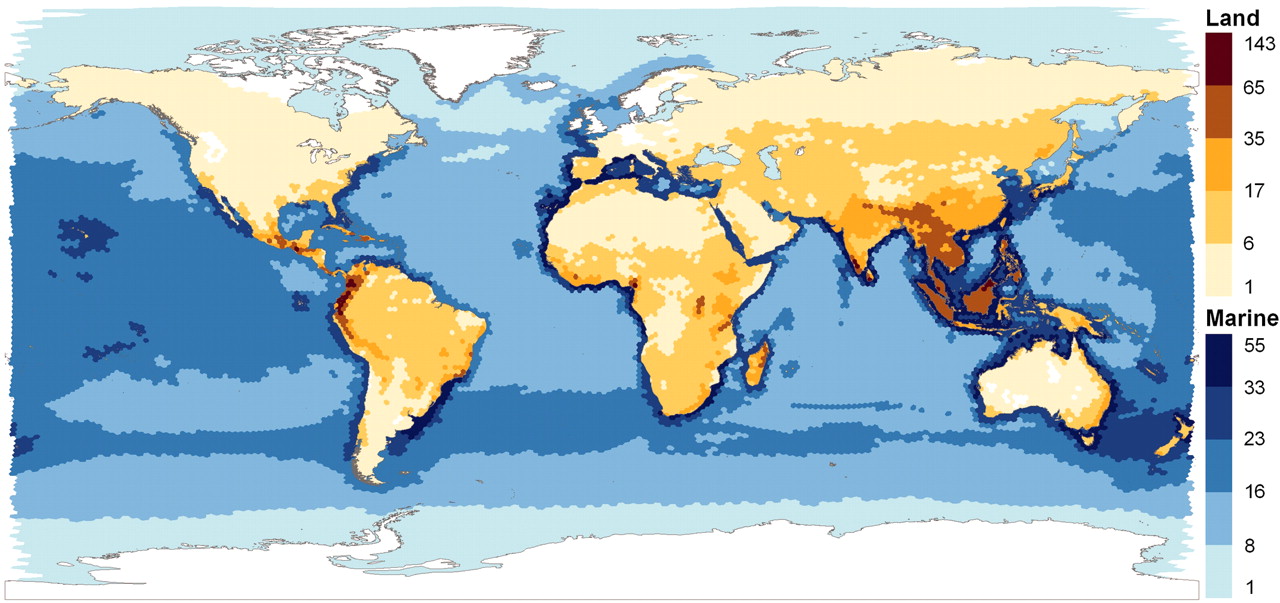
Global patterns of threat, for land (terrestrial and freshwater, in brown) and marine (in blue) vertebrates, based on the number of globally Threatened species in total.

Hoffmann et al. (2010), ‘The Impact of Conservation on the Status of the World’s Vertebrates’, Science 330 (6010), p. 1503-1509.

Walking the Plank
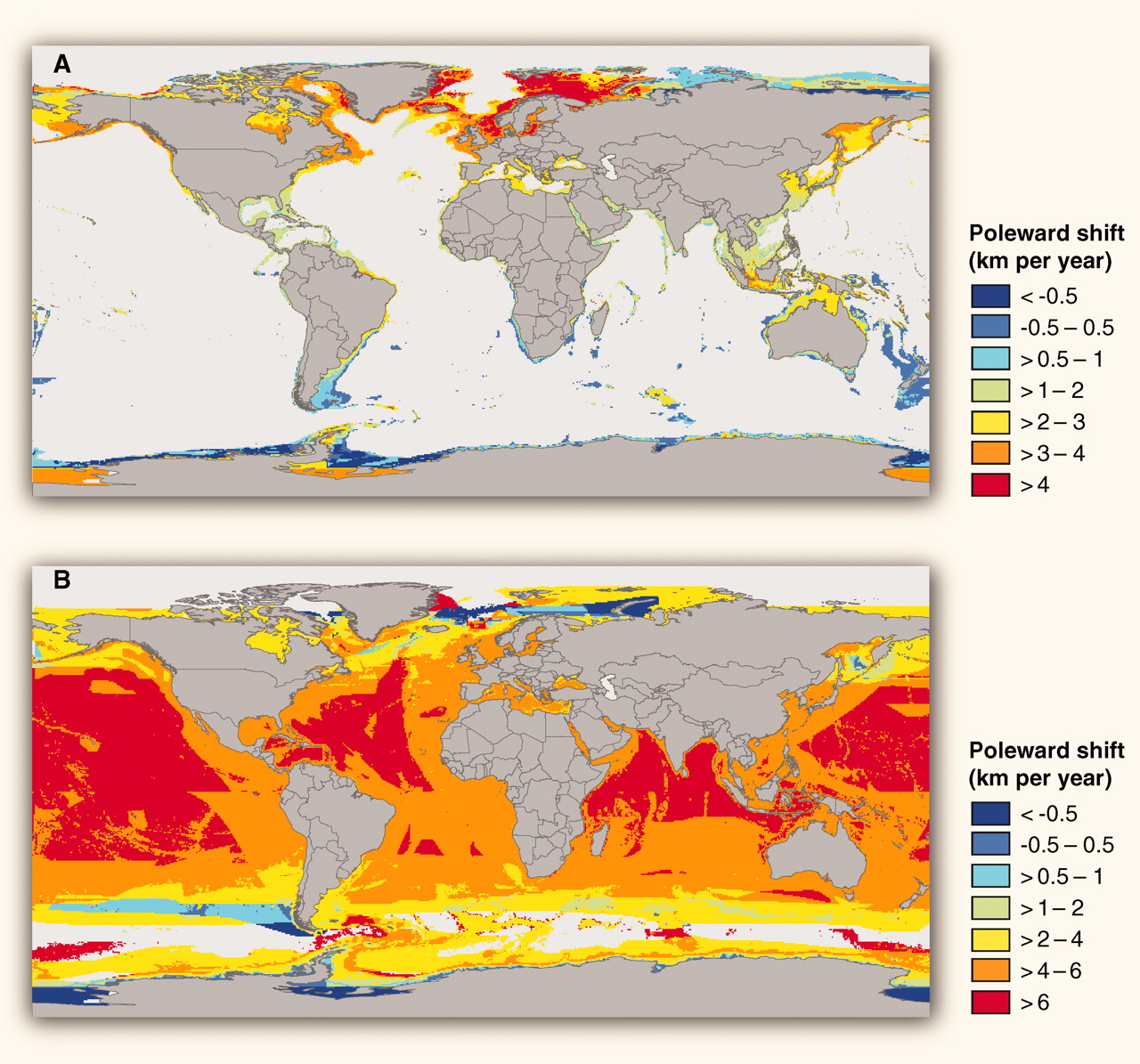
Projected rate of range shifts in marine organisms caused by climate change from 2005 to 2050 (52, 63). (A) Latitudinal shift of demersal species (excluding areas >2000 m in depth because of undersampling of the deep-sea region). (B) Latitudinal shift of pelagic species. The projections are based on bioclimatic envelope models for 1066 species of fish and invertebrates, under IPCC SRES A1B. For each map cell, the mean shift of the range centroids of the species currently present in that cell is given.

Pereira et al. (2010), ‘Scenarios for Global Biodiversity in the 21st Century’, Science 330 (6010), p. 1496-1501.