Incredible paper: Putnam, R. (2006), ‘E Pluribus Unum: Diversity and Community in the Twenty-first Century’, Scandinavian Political Studies, 30, 2, p. 137-174. Draw your own conclusions!
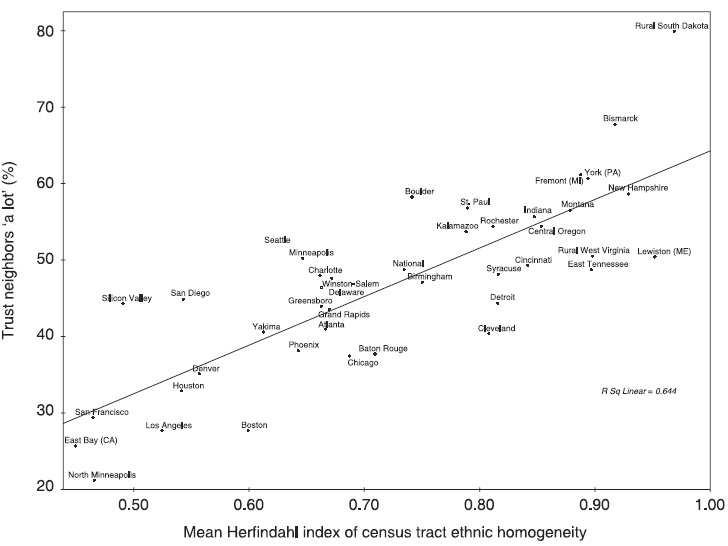
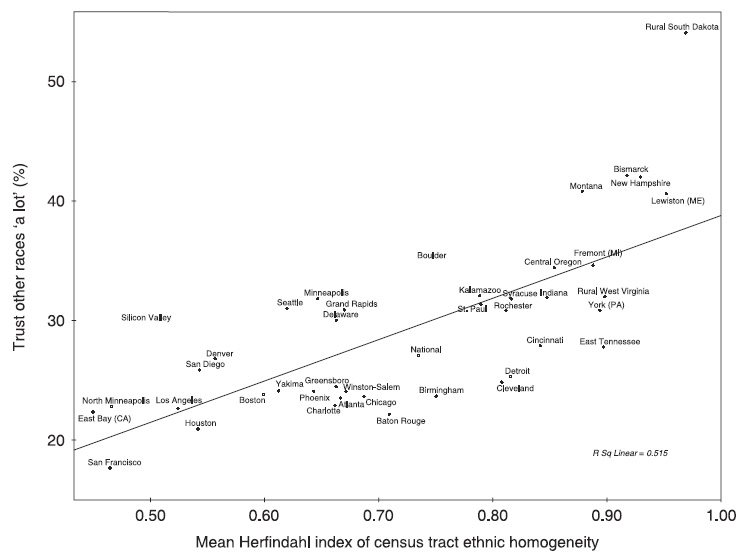
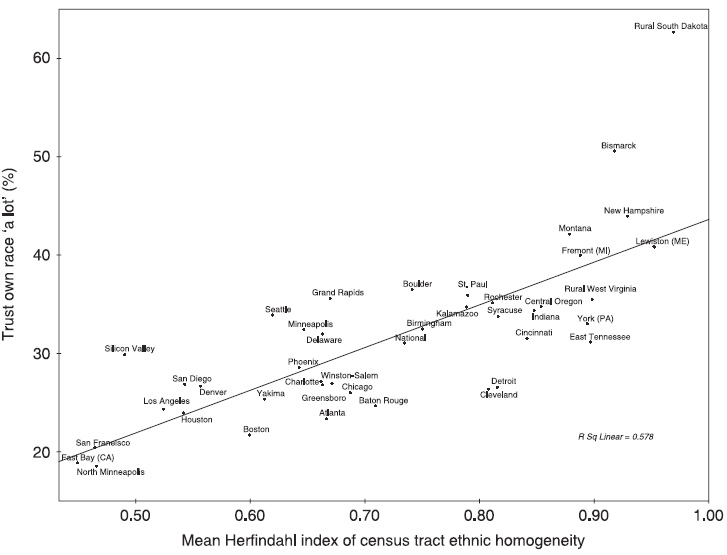
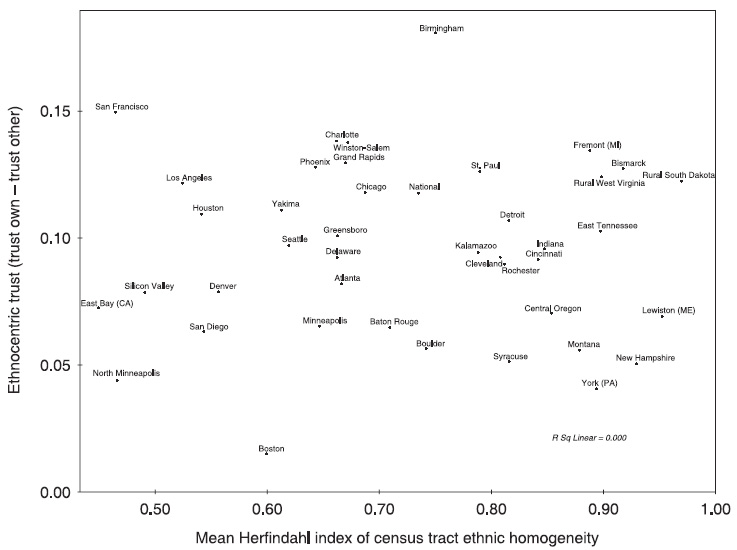
Incredible paper: Putnam, R. (2006), ‘E Pluribus Unum: Diversity and Community in the Twenty-first Century’, Scandinavian Political Studies, 30, 2, p. 137-174. Draw your own conclusions!
‘Sociosexuality’ measures mating style preference, expressed on a continuum from extreme monogamy (low index) to extreme polygamy (high index). A 25-language 48-nation >14.000-participant study (Schmitt, David (2005), ‘Sociosexuality from Argentina to Zimbabwe: A 48-nation study of sex, culture, and strategies of human mating’, Behavioral and Brain Sciences, 28, p. 247-311) found that men are consistently more enthusiastic about polygamy than women:
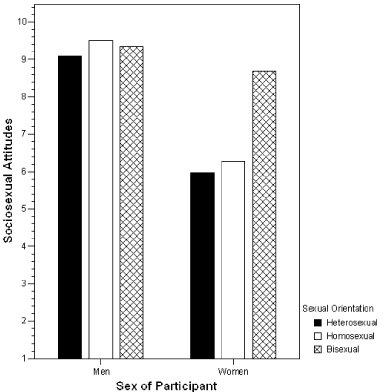
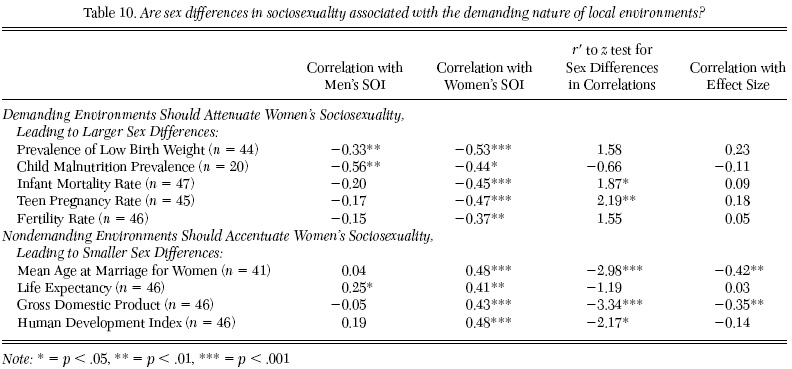
That much is expected. In addition, the study found that elevated male/female ratios and environmental stressors correlate with lower sociosexuality:
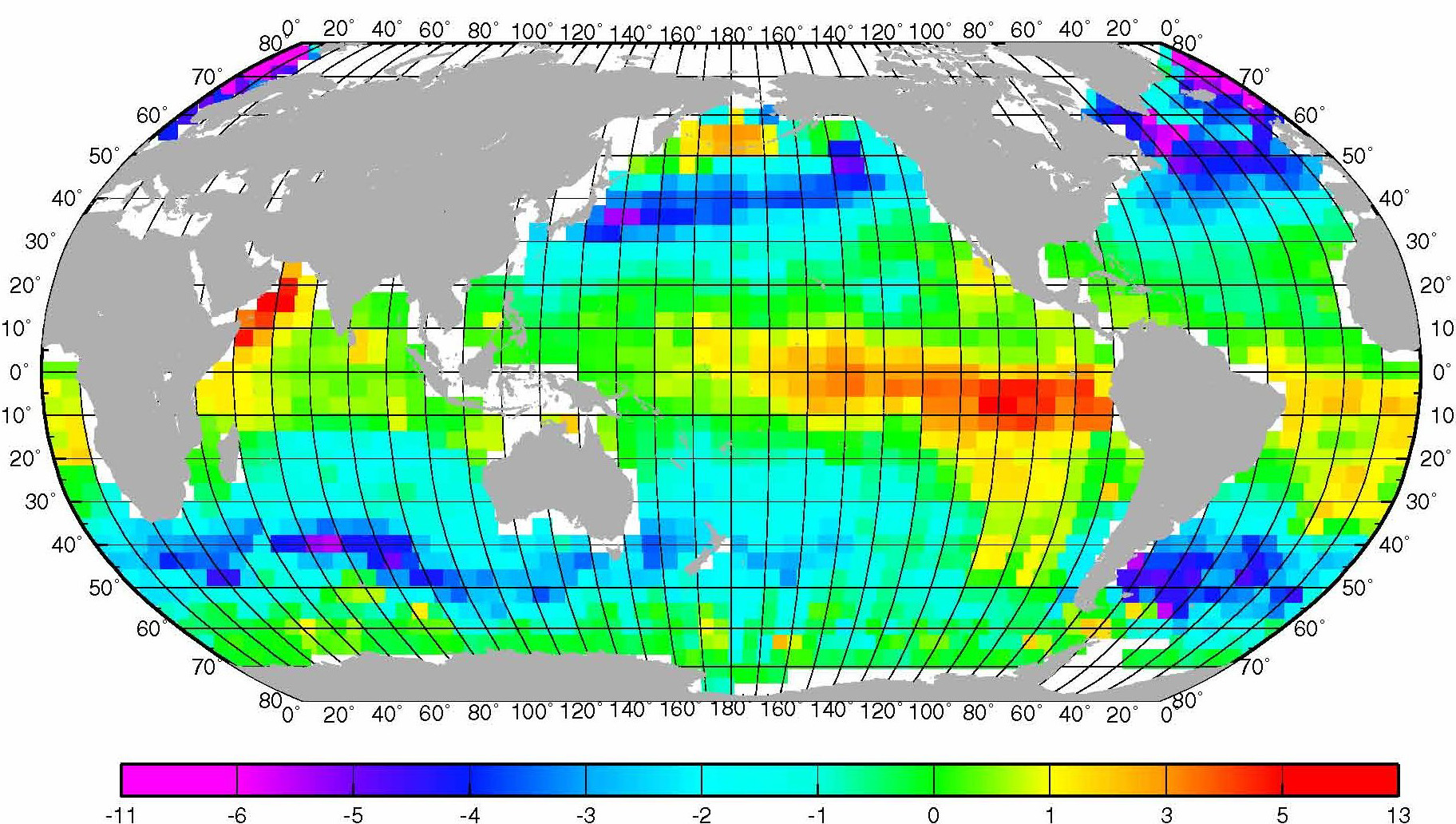
The equivalent of ~25% of current anthropegenic CO2 additions to the atmospheric reservoir is buffered by the oceans:
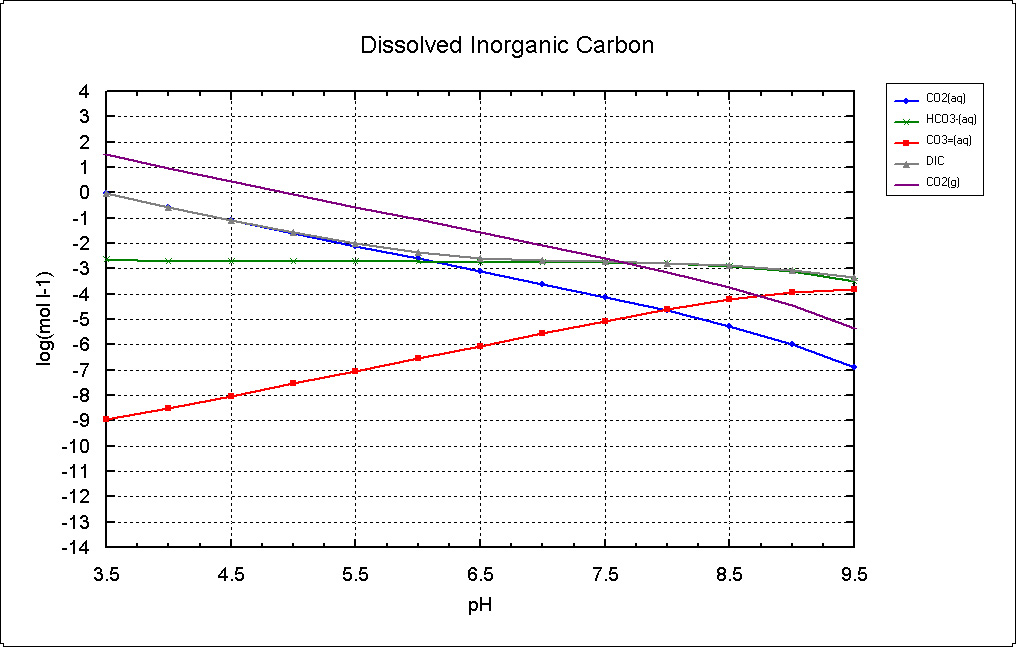
Dissolved CO2 exists as different species: CO2(aq), HCO3-(aq) and CO3=(aq). Ocean pH is the dominant control on this speciation, itself a function of pCO2:

CO2 speciation greatly affects CO2 fluxing across the ocean-atmosphere boundary, as only non-ionized species (that is, CO2(aq)) are free to exchange with the atmosphere. Anthropogenic increases in ocean acidity can be expected to greatly lower the CO2 buffering capacity of our oceans.
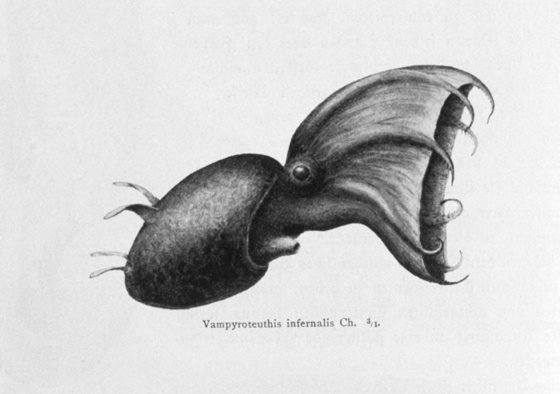
This fellow should be doing just fine with the expansion of our Oxygen Minimum Zones (OMZ’s).
~55 million years ago, the Paleocene/Eocene Thermal Maximum saw global temperature increase by ~5°C in ~15000 years:
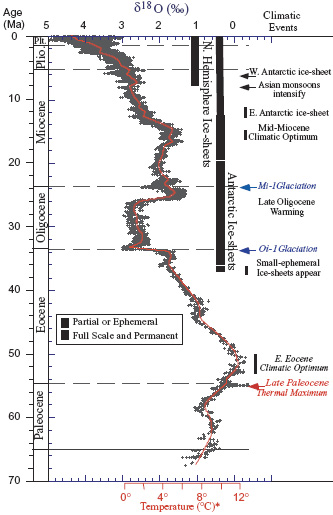
Today, we face a similar ~5°C temperature increase, but wrought within ~one tenth the amount of time:
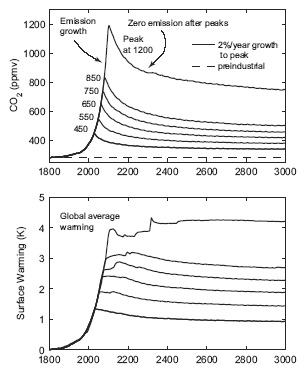
How will the {Earth System}’s negative feedback cycles respond in the face of this unprecedented rate of change?
.jpg "Europe Supported by Africa and America")
1. Introduction
Presented with a choice, an overwhelming majority of the ~6.5 billion humans alive today would opt to reside in relative comfort amongst the industrialized minority. For evidence of this, one need look no further than the migratory fluxes ‘braindraining’ the ‘developing world’ and the considerable risk to which an ever-increasing number of people knowingly expose themselves in a concerted effort to gain a foothold in ‘the developed world’. In this essay, I wish to briefly propose that there exist theoretical – as opposed to historical – grounds for the seemingly stable patterns of sharp discontinuity that so persistently pervade the distribution of global wealth.
Continue reading Post-War Industrialization despite or through Asymmetric Development?
Check out my course website:

“We did not think of the great open plains, the beautiful rolling hills, and winding streams with tangled growth, as “wild”. Only to the white man was nature a “wilderness” and only to him was the land “infested” with “wild” animals and “savage” people. To us it was tame. Not until the hairy man from the east came … was it “wild” for us”. – Chief Luther Standing Bear of the Oglala Sioux, 19th Century (emphasis mine).