“To remove the wants of the lower classes of society is indeed an arduous task. The truth is that the pressure of distress on this part of a community is an evil so deeply seated that no human ingenuity can reach it.” – Thomas Malthus (1798), An Essay on the Principle of Population.
Category: Economic Growth & Inequality
The Good Ol’ Days
“It should be remembered always that there is an essential difference between food and those wrought commodities, the raw materials of which are in great plenty. A demand for these last will not fail to create them in as great a quantity as they are wanted.” – Thomas Malthus (1798), An Essay on the Principle of Population.
A Comment on ‘Growth Fixation’
Comment on < iied.org >’s Growth Fixation posting by Tom Birch:
Just want to add two quick things here:
[1] This short-sighted preoccupation with economic growth, as part of national policy, is actually a fairly recent phenomenon. When GDP measures were initially introduced as a regular feature of national accounting (which was only in the 1940s), they were at first used towards highly specific objectives – admittedly, back then, stimulating employment was frequently one of them. And those were the dark-ages. For an example of what I mean by this, look no further than the words of U.S. Secretary of the Treasury Morgenthau at Bretton Woods (1943): “… [it is an] elementary economic axiom … that prosperity has no fixed limits. It is not a finite substance to be diminished by division.†By the 1950s, economic growth had become an end in its own right.
[2] In addition to the substance of Rachel’s linked article, Japan provides another powerful lesson for those enlightened few [yes, that’s us] that have come to see economic systems as subsystems of the geobiosphere: it is that a significant decrease in GDP energy density can be achieved while maintaining a high GDP. That is, the Japanese managed to markedly decrease their *per-dollar* carbon footprint to one of the lowest in the developed world without actually *lowering* their output. They pulled this off mostly in the decade prior to the commencement of the current recession. It may not be zero-growth, but it’s certainly a start.
Why Are Some Countries Rich and Others Poor?
Lecture & discussion on Waldron Island, 10 July MMX.
Raw Material Fluxes
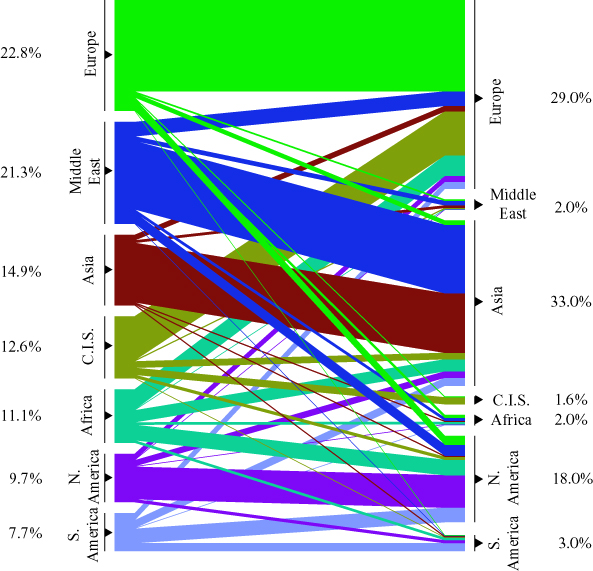
Where are Earth’s resources coming from, and where are they going?
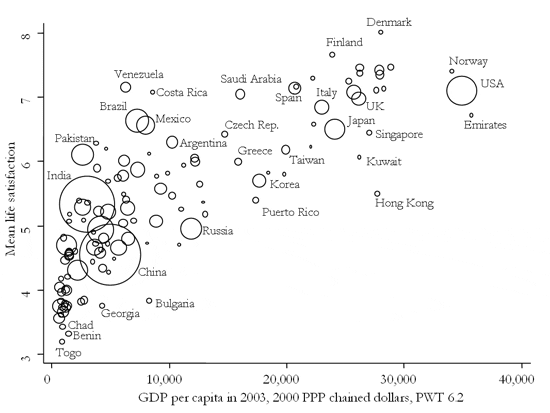
Measured Life Satisfaction & GDP
“What worked for us should work for them”
 “[…] the transformation of European civilization is analagous to the transformation confronting developing countries around the world today”
– Joseph E. Stiglitz, In: Polanyi, K. (1944, republished 1994), The Great Transformation
!Nefarious Dogma!
South|North
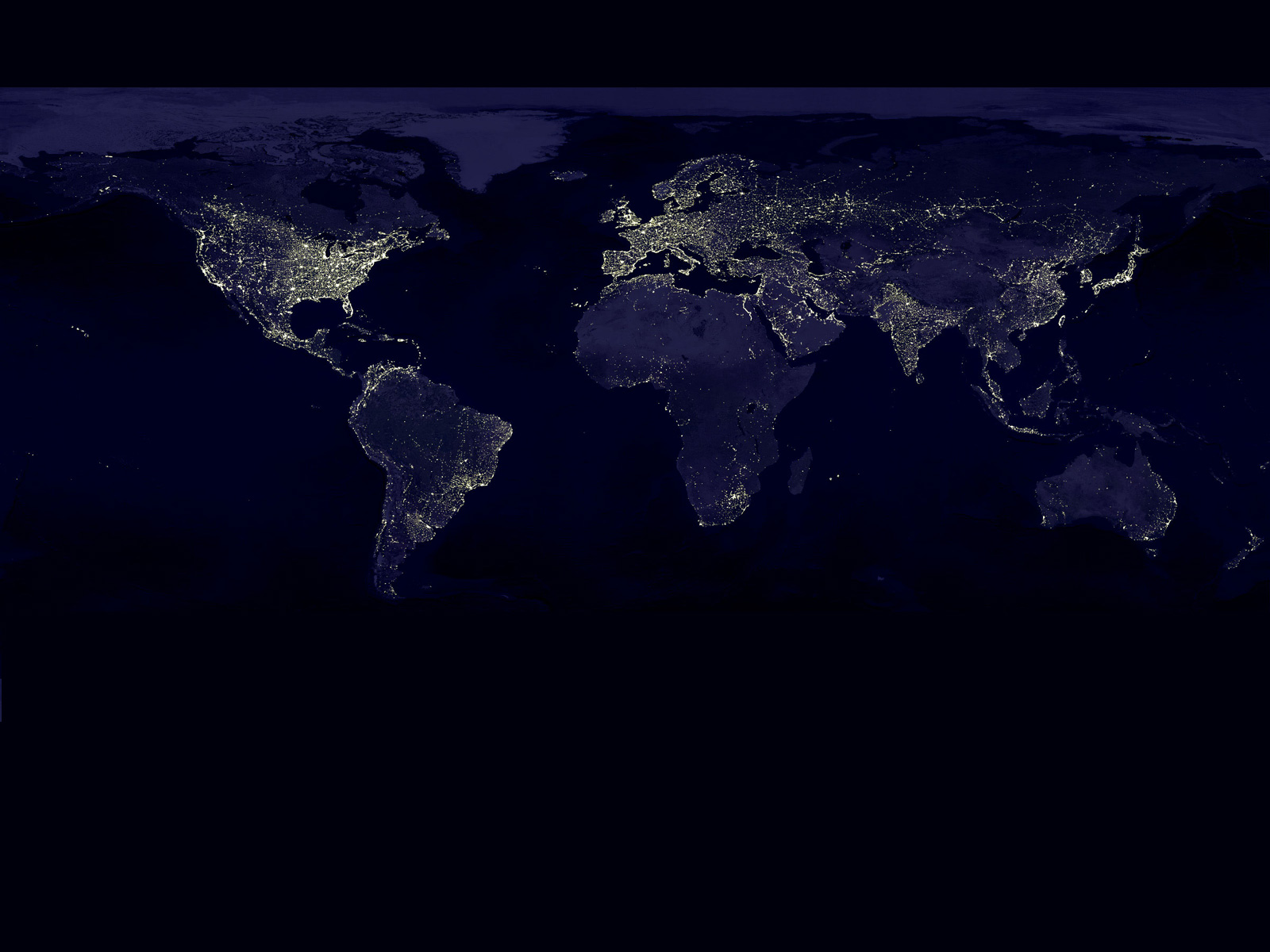
Earth at night
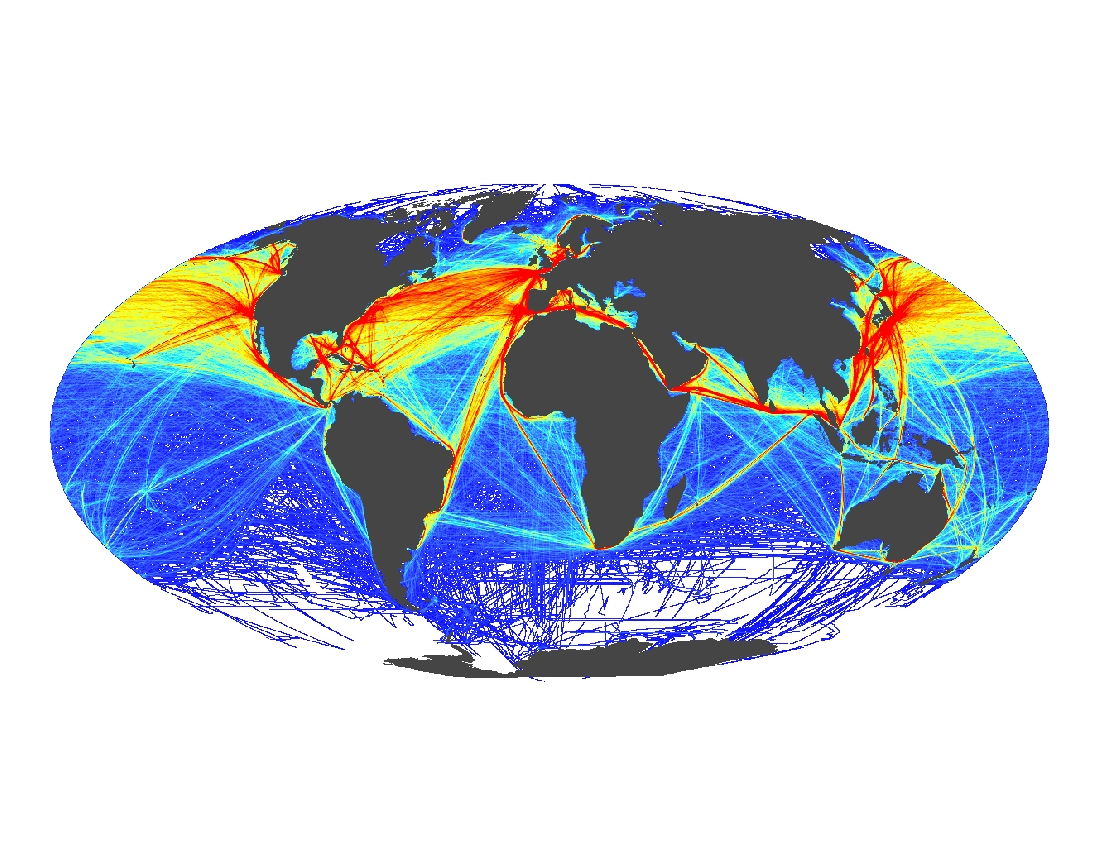 Global shipping
{Halpern et al. (2008), ‘A Global Map of Human Impact on Marine Ecosystems’, Science, 319, p. 948-952}
Recession MMVII –


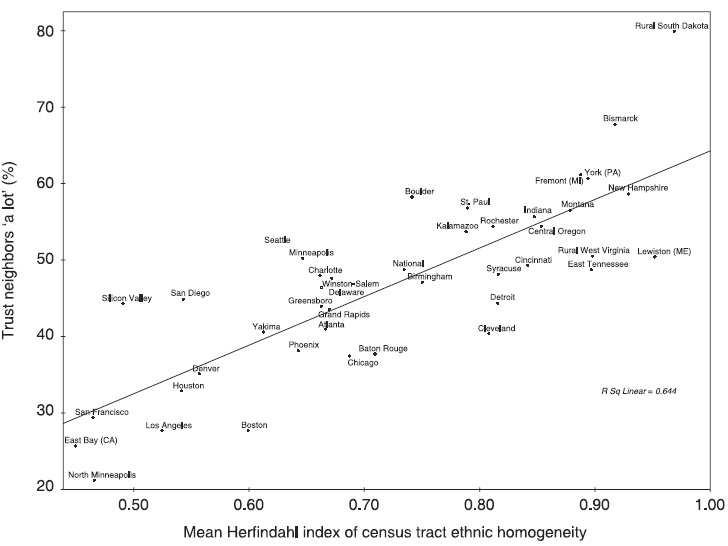
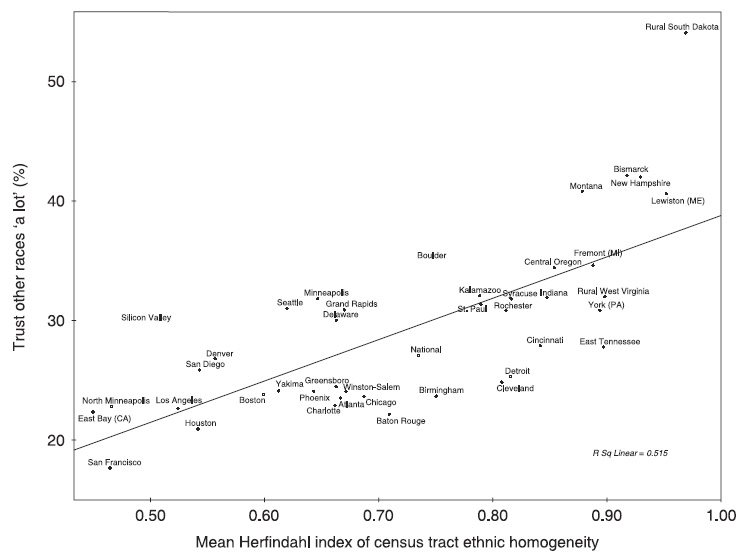
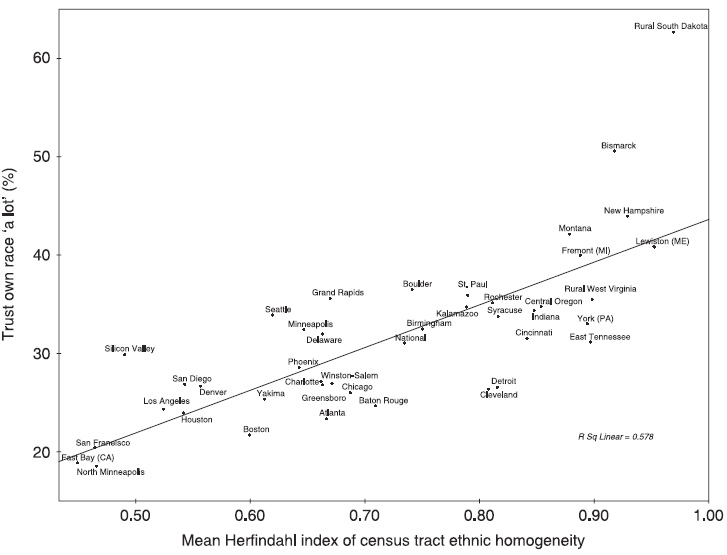
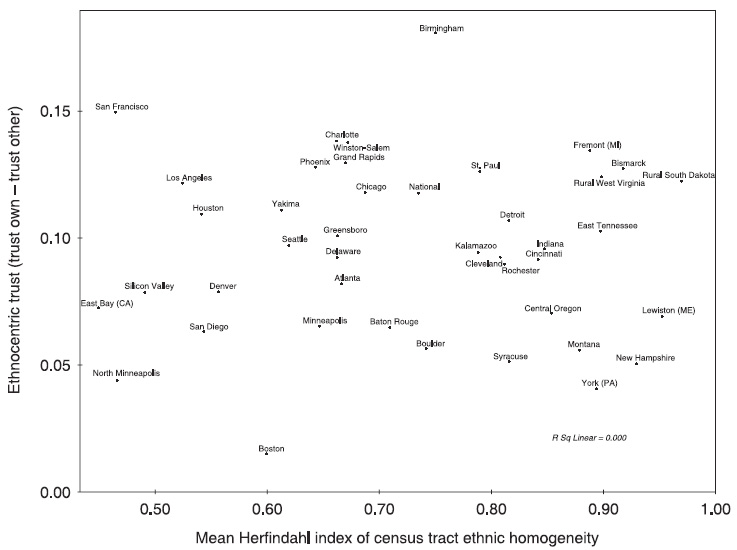
Trust and Racial Homogeneity
Incredible paper: Putnam, R. (2006), ‘E Pluribus Unum: Diversity and Community in the Twenty-first Century’, Scandinavian Political Studies, 30, 2, p. 137-174. Draw your own conclusions!