Hayek was a clear-minded thinker who was pre-occupied with departures from liberalism (with a small ‘l’, that is sensu 19th Century). He famously debunked the notion that fascism is a natural end-point of capitalism, holding rather that fascism is a form of socialism.
Thinking about institutional responses to anthropogenic climate change, I was struck today by the following paragraph in one of Hayek’s most famous contributions:
“Nor can certain harmful effects of deforestation, or of some methods of farming, or of the smoke and noise of factories, be confined to the owner of the property in question or to those who are willing to submit to the damage for an agreed compensation. In such instances we must find some substitute for the regulation by the price mechanism.” – F. A. von Hayek (1944) ‘The Road to Serfdom’
Category: Nature & Environment
The Shepherd’s Life
James Rebanks (2015)
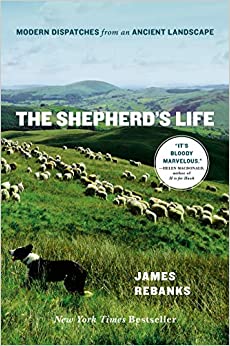
I don’t know what it is about Brits and nature writing … but they punch above their weight. Instant classic.
Cry of the Kalahari
Mark & Dalia Owens (1984)
Brim full of nostalgia.
It’s Never Too Late To Give Up
Sante Poromaa (2019)
I liked the beginning.
One River
Wade Davis (1996)
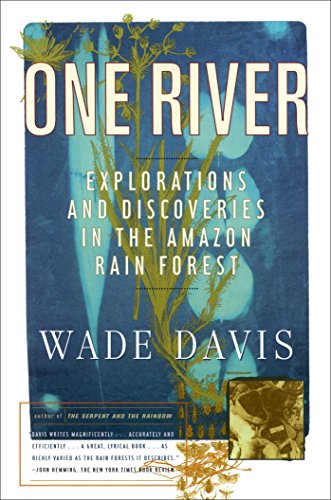 Mesmerizing, but also shocking for its utter disregard of the responsibility ethnobotanists have for having ‘globalised’ indigenous cultures & plants.
What Darwin Got Wrong
Jerry Fodor & Massimo Piattelli-Palmarini (2010)
 Brace yourself for a more extensive summary than usual.
Boisterous diatribe to the contrary, ‘science’ is far from free of taboos. Nietzsche remains right about that. Examples: questioning the potential merits of astrology, or links between ‘race’ (however ill-defined) and particular traits. First off, kudos to J&M for having the cajones to put this work out, under such a provocative title. It is hard, even for established intellectuals, to criticise the theory of Darwinian evolution and escape ostracism. And as it turned out, J&M did not escape their un/fair (?) share of ostracization.
J&M think that the Theory of Natural Selection (‘TNS’) is flawed. They come at it with a dual-barreled attack, and the two barrels can be quite cleanly divided. Continue reading What Darwin Got Wrong
The New Wild
Fred Pearce (2015)
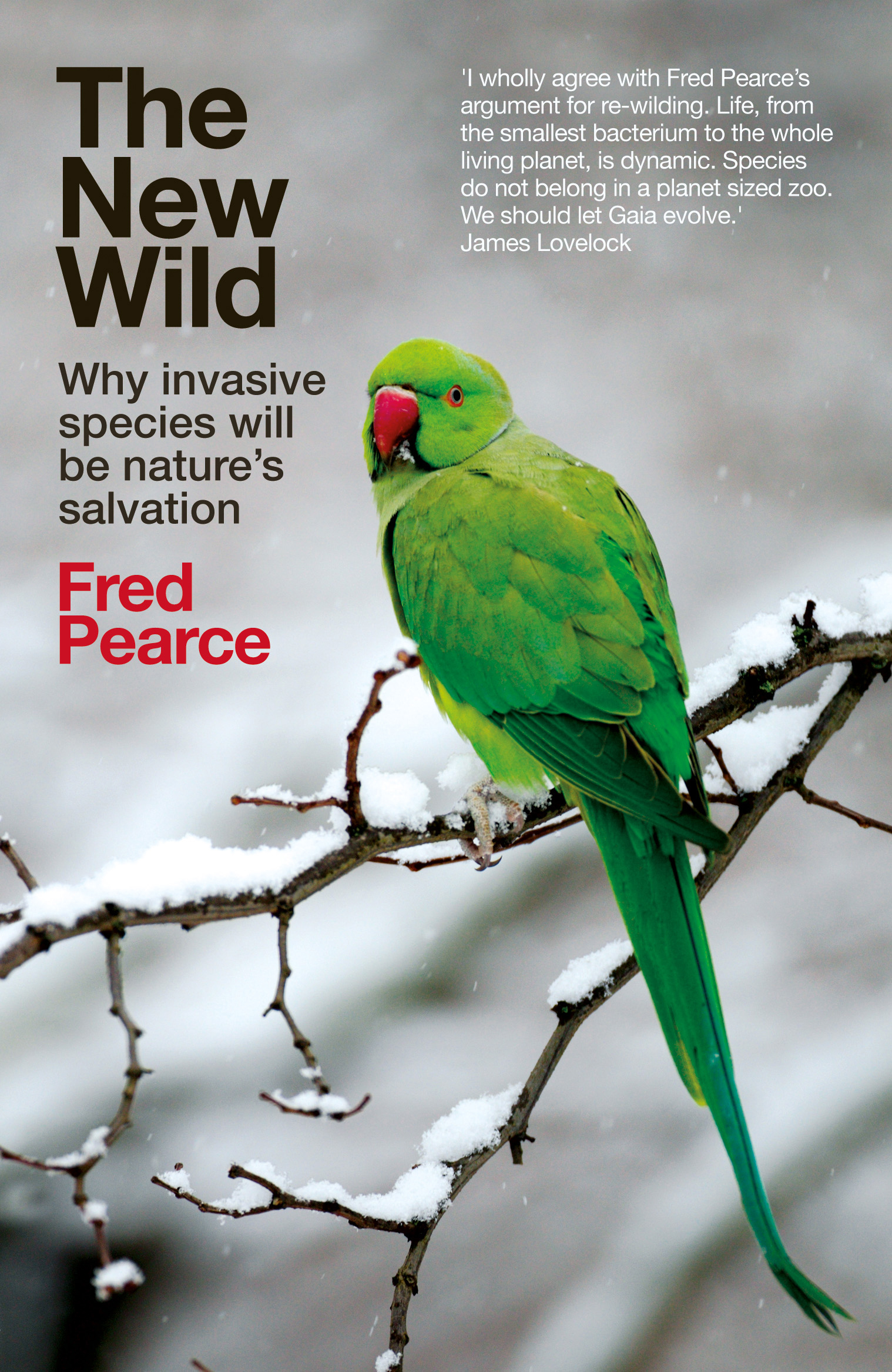 “Here we face a central paradox of conservation in the 21st century and beyond. Traditional wild lands – the old-growth forests and other historic habitats – will in future be the places most dependent on human intervention for their survival. In a world of climate change, where the old wild is hemmed in by human activity, these ecosystem islands will increasingly resemble museum pieces, time capsules and experimental labs for scientists. They will not be ‘wild’ in any true sense. On the other hand, the novel ecosystems, the make-do-and-mend places, will be the ones able to stand on their own two feet. They will be the new wild.”
The Klamath Knot
David Rains Wallace (1983)
 _
_
The Carbon Crunch
Dieter Helm (2012)
 A case for gas as a bridging fuel to a renewable future.
Natural Capital
Dieter Helm (2015)
 Thin. Very thin.