Thanks to my friend Melanie Lyon for introducing me to the incredible world of women’s poetry from antiquity. Enheduanna, the first known writer, was a Sumerian moon priestess who was born around 2300 B.C.E. Translations into English can be found here:
Category: Art
Ethan Brand
By Nathaniel Hawthorne
BARTRAM the lime-burner, a rough, heavy-looking man, begrimed with charcoal, sat watching his kiln at nightfall, while his little son played at building houses with the scattered fragments of marble, when, on the hill-side below them, they heard a roar of laughter, not mirthful, but slow, and even solemn, like a wind shaking the boughs of the forest.
The Absurd Man
By Albert Camus
“My field,” said Goethe, “is time.” That is indeed the absurd speech. What, in fact, is the Absurd Man? He who, without negating it, does nothing for the eternal. Not that nostalgia is foreign to him. But he prefers his courage and his reasoning. The first teaches him to live without appeal and to get along with what he has; the second informs him of his limits. Assured of his temporally limited freedom, of his revolt devoid of future, and of his mortal consciousness, he lives out his adventure within the span of his lifetime. That is his field, that is his action, which he shields from any judgment but his own. A greater life for him cannot mean another life. That would be unfair. I am not even speaking here of that paltry eternity that is called posterity. Mme Roland relied on herself. That rashness was taught a lesson. Posterity is glad to quote her remark, but forgets to judge it. Mme Roland is indifferent to posterity.
For the time being
The legend of the Traveler appears in every civilization,
perpetually assuming new forms, afflictions, powers and
symbols. Through every age he walks in utter solitude toward
penance and redemption.
…
Should I mark more than shining hours?
…
I have agreed to paint a narrative on the city walls.
I have now been at work many years,
there is so much to be told.
– Evan S. Connell, Jr., Notes from a Bottle Found on the Beach at Carmel.
= Discovered in: Annie Dillard (1999), For the Time Being.
Do you remember the days of slav’ry?
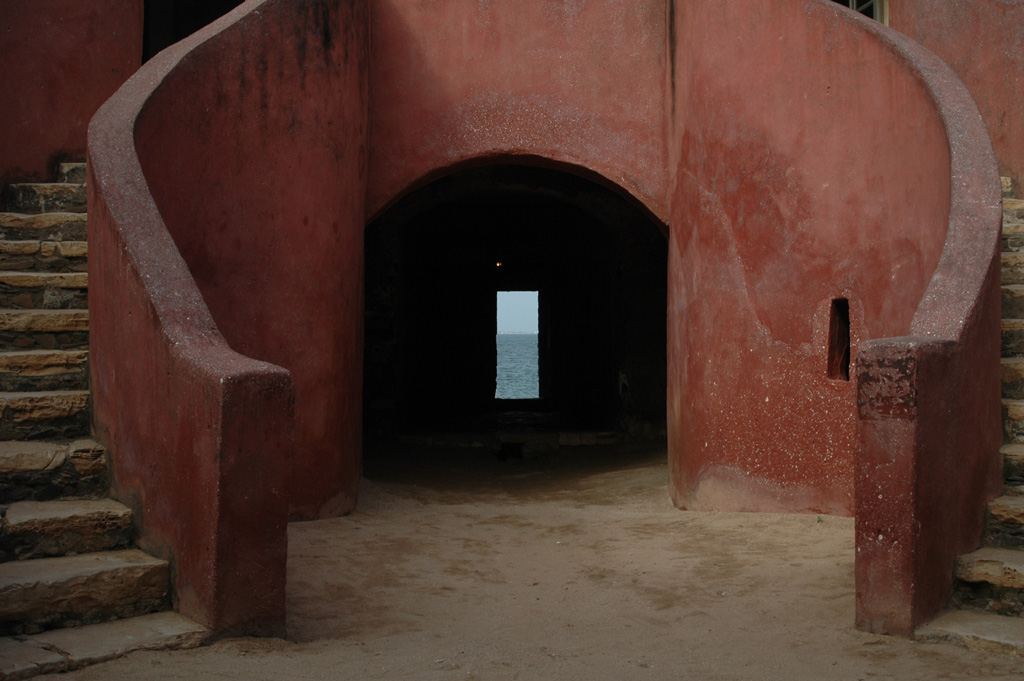
Do you remember the days of slav’ry? (Do you remember the days of slav’ry?)
And they beat us (Do you remember the days of slav’ry?)
And they worked us so hard (Do you remember the days of slav’ry?)
And they used us (Do you remember the days of slav’ry?)
Till they refuse us (Do you remember the days of slav’ry?)
Do you remember the days of slav’ry? (Do you remember the days of slav’ry?)
– Burning Spear, Slavery Days (Winston Rodney), from the album Marcus Garvey (1975)
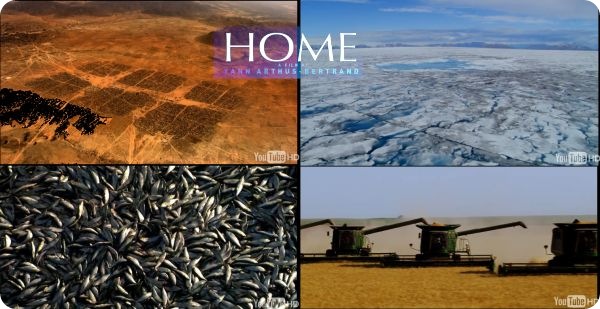
HOME
Water
Everything on the earth bristled, the bramble
pricked and the green thread
nibbled away, the petal fell, falling
until the only flower was the falling itself.
Water is another matter,
has no direction but its own bright grace,
runs through all imaginable colors,
takes limpid lessons
from stone,
and in those functionings plays out
the unrealized ambitions of the foam.
– Pablo Neruda
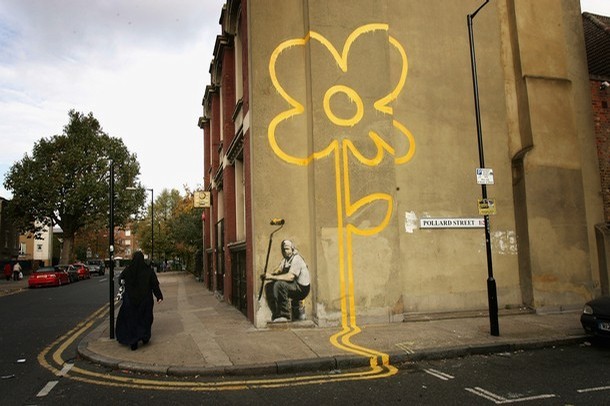
Pollard: Streets Ahead
‘The Smile off your Face’
Ontroerend Goed – ‘The Smile off your Face‘
The triumph of Death
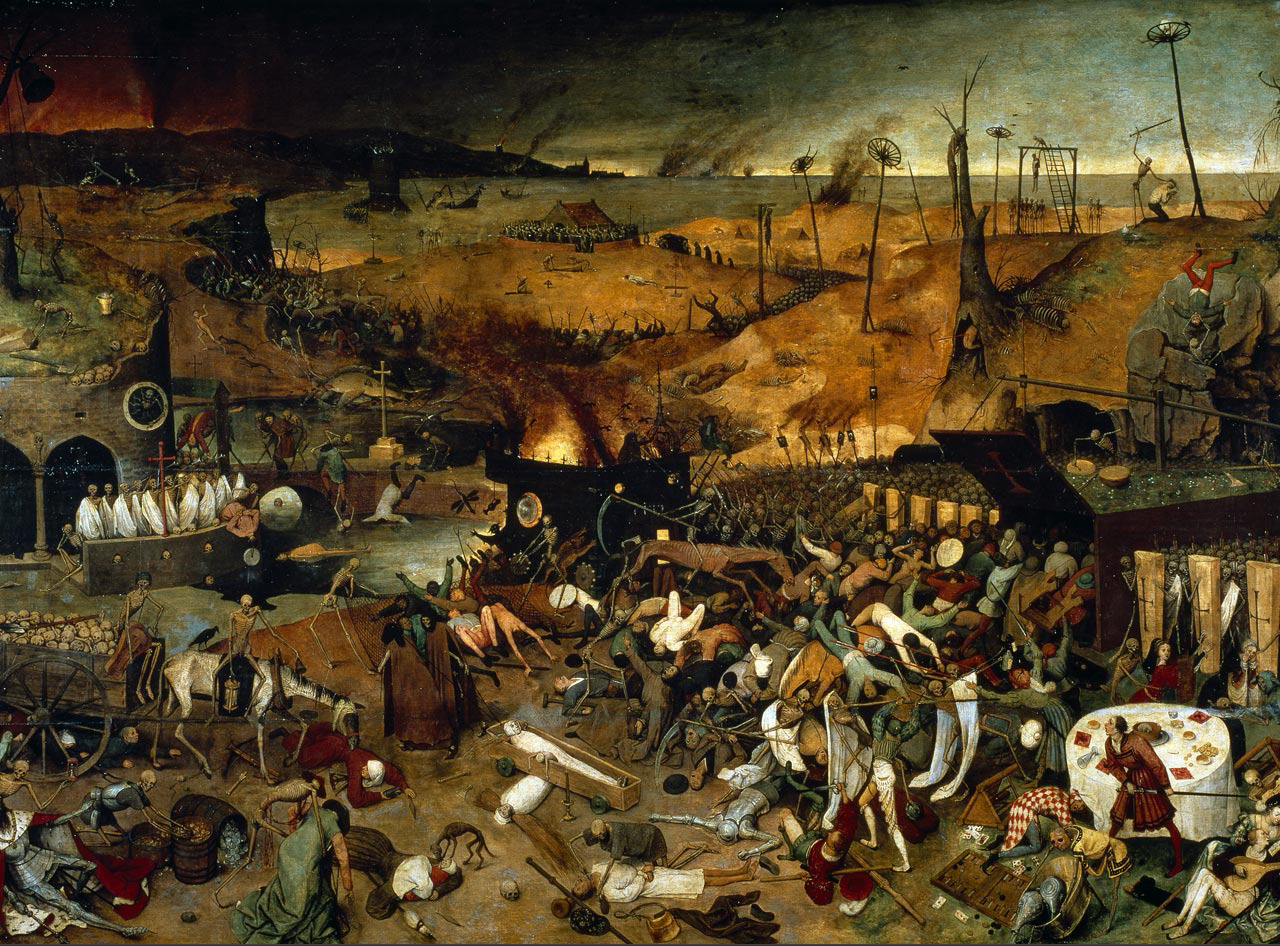
Pieter Bruegel (1562)