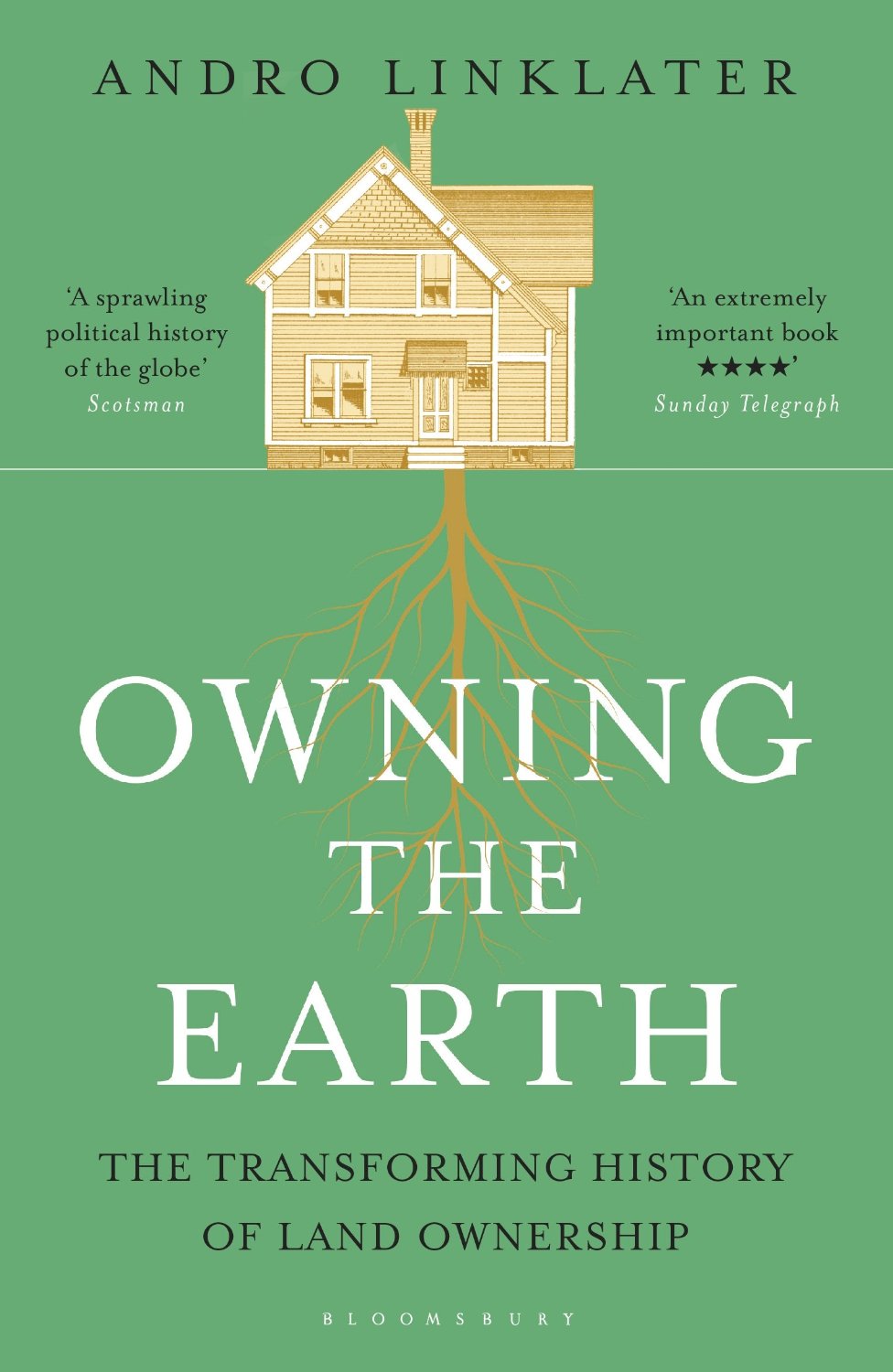
Andro Linklater (2013)
 Â _
 _
Andro Linklater (2013)
 _
Naomi Klein (2014)
 Â _
 _
Robert Levine (1997)
 Â _
 _
Nassim Nicholas Taleb (2007)
 _
_
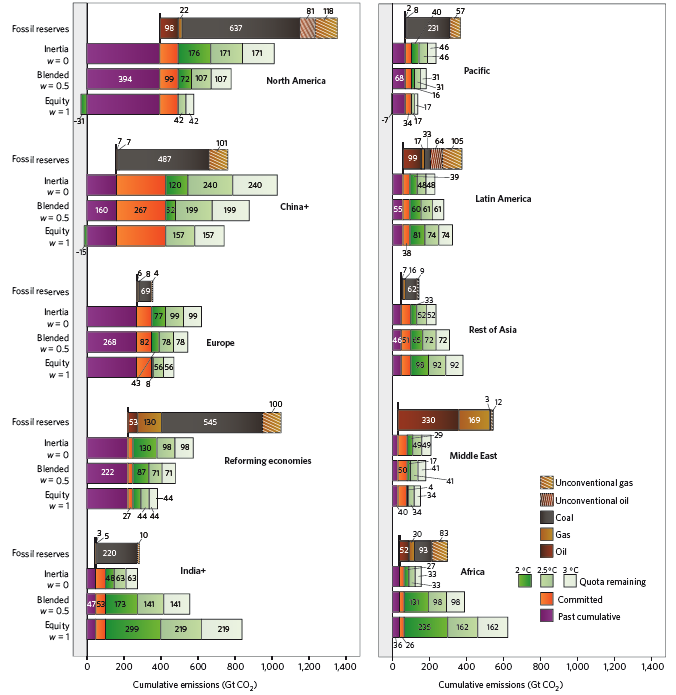
Figure 2 | Quotas, cumulative committed emissions and fossil-fuel reserves. Past cumulative fossil-fuel CO2 emissions (purple), future committed
emissions (orange) and available fossil-fuel carbon quotas to meet warming limits of 2, 2.5 and 3 °C with 50% probability (green), for 10 regions and
the world, under inertia, blended and equity sharing principles. Stacked bars are cumulative; numbers give the contribution of each increment in Gt CO2.
Negative increments are shown below the zero axis. Also shown are fossil-fuel reserves (coal, oil, gas, unconventional oil, unconventional gas).
In: Raupach et al. (2014) ‘Sharing a quota on cumulative carbon emissions’, Nature Climate Change 4(10), p. 873-879.
Francis Fukuyama (2013)
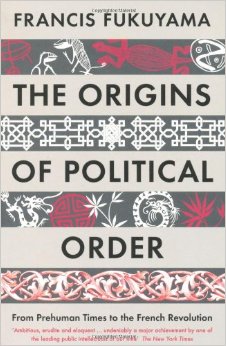 We should probably forgive the odd lapse in detail when it comes to grande, sweeping narratives. And The Origins of Political Order is definitely that. The book is the first in Francis Fukuyama’s two-volume attempt at an account and explanation of the evolution of political institutions. The work is peppered with statements like, “There does not seem to be any evidence that a true matriarchal society has ever existed”. Either Fukuyama is unaware of the hotly contested question and literature around paleolithic matriarchy, or he decided to gloss over it. Oversights such as these detracted from my enjoyment, in large part because they dented my confidence that Fukuyama had done his homework as thoroughly as most of the reviewers are saying he did.
But enough cheap criticism, what about content? One of the main things Origins has led me to ponder is what the institutional repercussions of zero-growth (a.k.a. the ‘steady-state economy’) would look like. Fukuyama thinks that there are basically three ways a society can grow economically. The first is through the acquisition of uninhabited lands and unused resources. Extensive growth. The second is through predation of other societies: the infamous zero-sum game. And lastly, there’s intensive growth through increasing productivity of society by means of technological- and other ‘internal’ advancement. Continue reading The Origins of Political Order
http://virologydownunder.blogspot.co.uk/2014/07/ebola-virus-disease-evd-2014-west.html
Took me ages to find this.
Ha-Joon Chang (2014)
 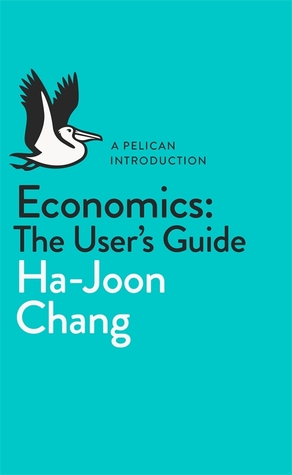 Great introduction to Economics, make all your students read it!
Steve Keen (2011)
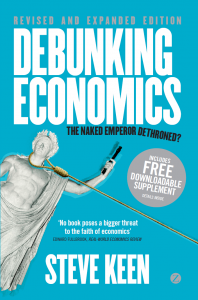 Thought-provoking but at times ranting review of arguments – many of them original – against the theoretical edifice of neo-classical economics.
Thomas Piketty (2014)
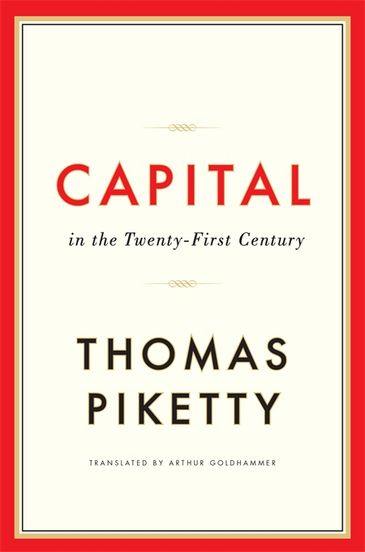 Capital in the Twenty-First Century has rapidly become famous, not least through sparking controversial responses from the likes of The Financial Times and The Economist (the latter, believe it or not, actually in response to the FT’s attack on Piketty’s book). Continue reading Capital in the Twenty-First Century