“Thoroughgoing ignorance about the ways of others is largely a privilege of the powerful.”
– Kwame Anthony Appiah, Cosmopolitanism, p. xviii.
“Thoroughgoing ignorance about the ways of others is largely a privilege of the powerful.”
– Kwame Anthony Appiah, Cosmopolitanism, p. xviii.
 [To all people out there on the Internets that find this hilarious: the chances are high that you & I will get along][How many of Us are There?]
By Willard van Orman Quine
[Published in Review of Metaphysics (1948). Reprinted in From a Logical Point of View (1953).]
A curious thing about the ontological problem is its simplicity. It can be put in three Anglo-Saxon monosyllables: ‘What is there?’ It can be answered, moreover, in a word—‘Everything’—and everyone will accept this answer as true. However, this is merely to say that there is what there is. There remains room for disagreement over cases; and so the issue has stayed alive down the centuries.
 ‘mizu ni nagasu’ – ‘Let Flow the Water’
 (1) Russia and former Soviet states (Azerbaijan, Belarus, Estonia, Georgia, Kazahstan, Latvia, Lithuania, Russia, Tajikistan, Turkmenistan, Ukraine, Uzbekistan):
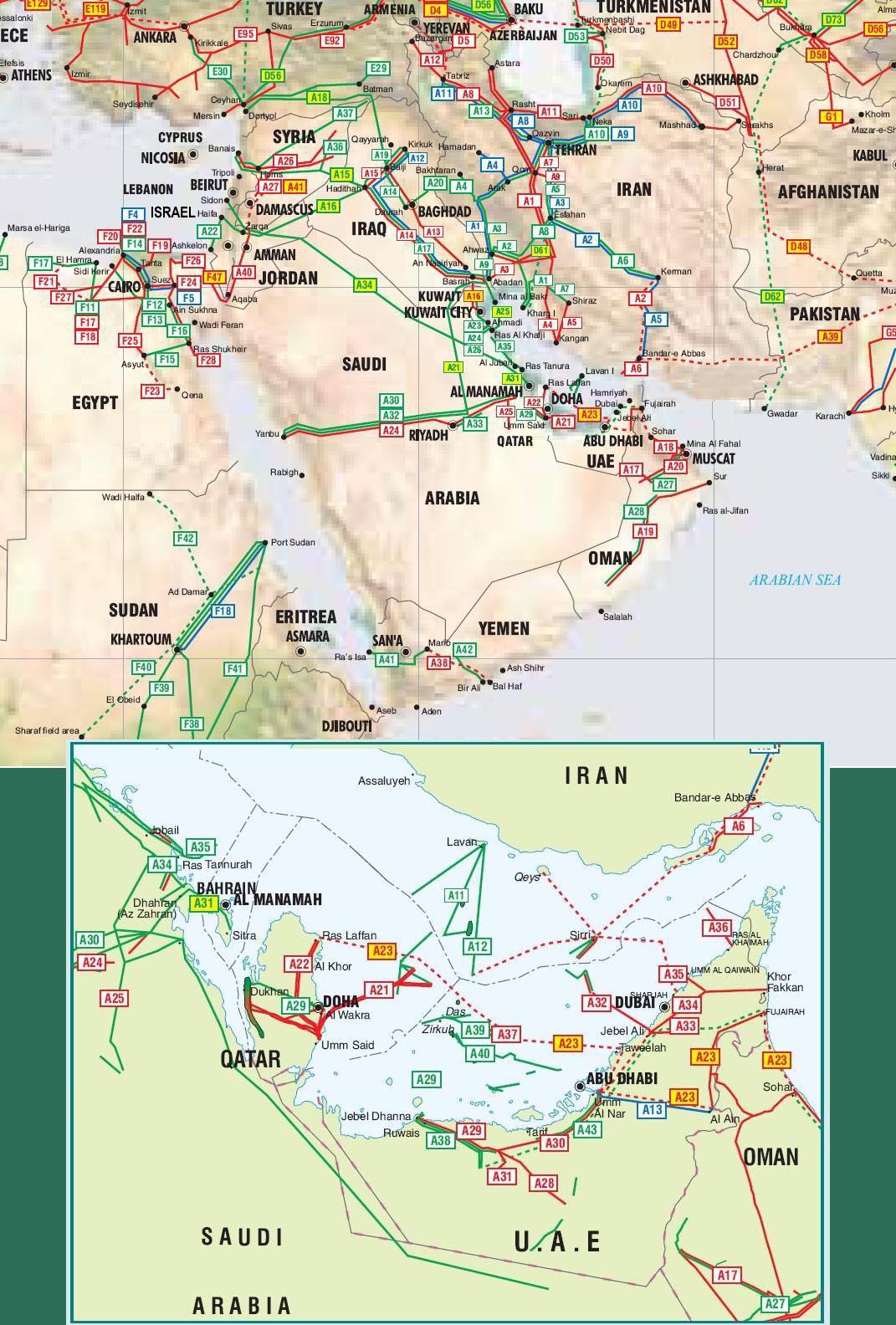
 (2) Middle East (Iran, Iraq, Israel, Jordan, Kuwait, Oman, Qatar, Saudi Arabia, Syria, United Arab Emirates, Yemen, Bahrain and Lebanon):
 (3) Balkan area – Southeast Europe (includes Albania, Bosnia and Herzegovina, Bulgaria, Greece, Hungary, Romania, Serbia, Slovakia, Slovenia, FYR Macedonia and Turkey):
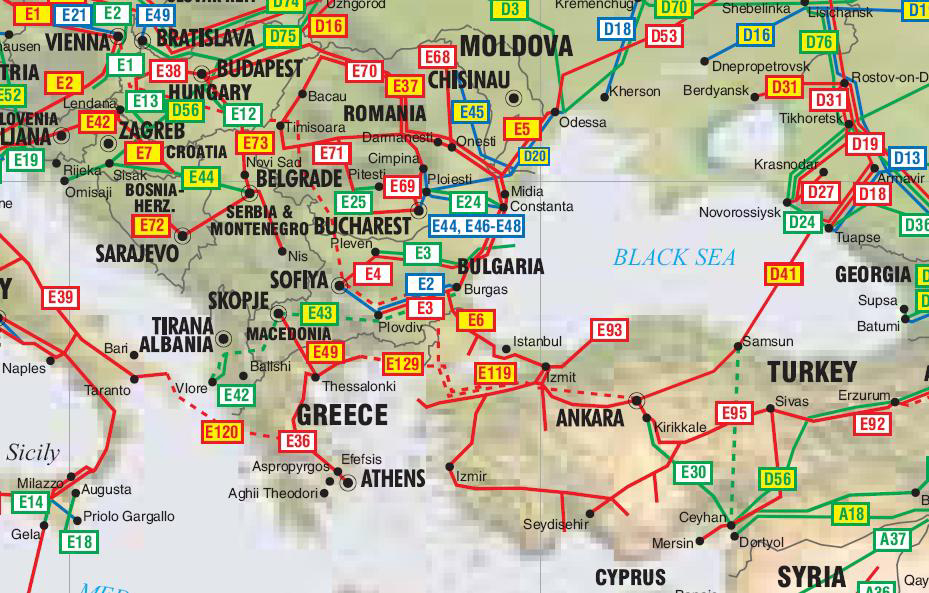 (4) South Asia (Afghanistan, Bangladesh, India, Myanmar, Pakistan):
 (5) East Asia (China, Japan, South Korea):
 (6) Africa:

“The depth of darkness into which you can descend, and still live, is an exact measure, I believe, of the height to which you can aspire to reach.”
– Alan McGlashan, in a private letter to Laurens van der Post
 Mary sequentially covers (1) G.E. Moore’s anti-naturalism; (2) Prichard & Ross’ ‘Intuitionism’; (3) Ayer’s logical positivist approach (‘Emotivism’); and (4) later development by Stevenson and Nowell-Smith, including the latter’s Janus Principle; (5) moral psychology in general; and finishes with (6) a wonderful overview of Sartre’s Existentialism. An unmissable overview to Ethics before its entanglement with Political Philosophy. Newcomers will want to familiarize themselves with Utilitarianism first.