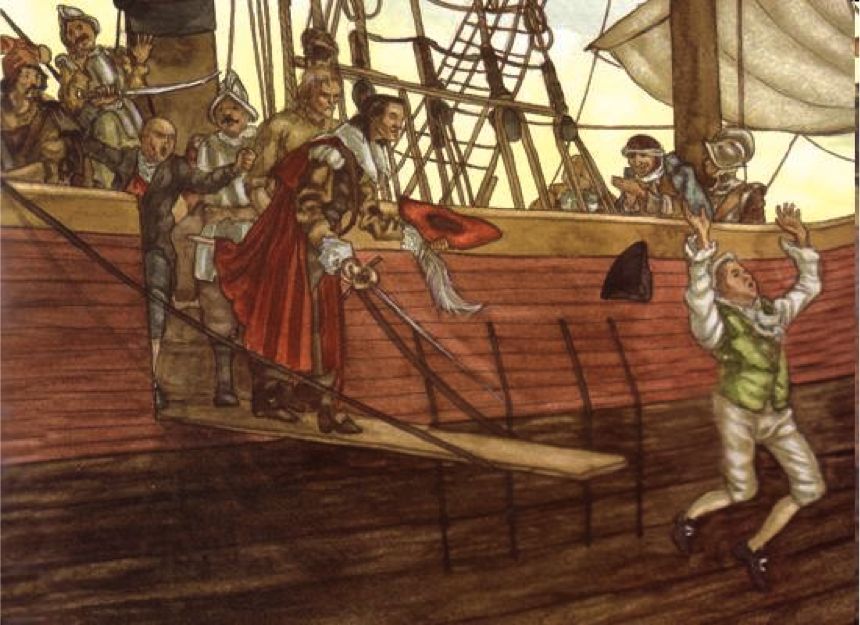
The Swimming Lesson
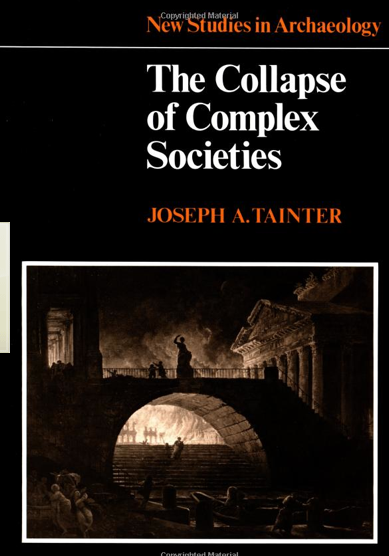 Tainter presents a detailed review of the major theories on societal collapse. Through appeal to diminishing marginal returns on complexity, Tainter takes a pseudo-economic line to argue that decay is inevitably in the cards for any complex society. Unfortunately, little attempt is made to constrain the notion of ‘complexity’. In reference to the prospect(s) for modern society, one of Tainter’s more interesting observations is that complex societies that exist as islands in a sea of barbarism tend to collapse suddenly and dramatically, while those that exist amongst estimable competitors tend to undergo long, drawn-out decay as power is slowly but surely usurped. Rather than the desperate bank-runs and grocery-store pillages envisaged by some, I would not be surprised if Tainter envisages a less catastrophic 21st Century in which the United States and Europe slowly deteriorate into a backwater of China.
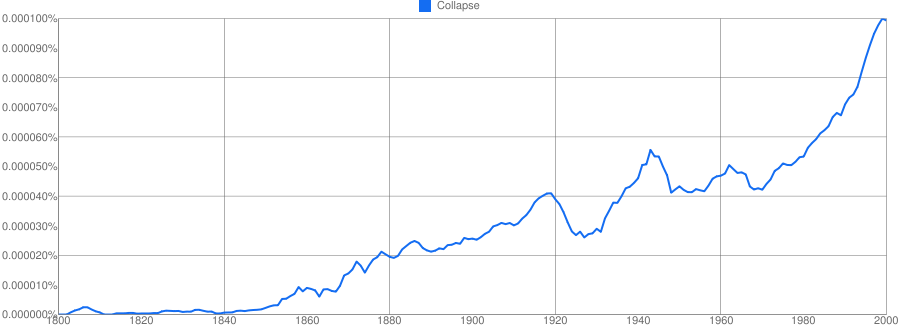
Talk of collapse is becoming increasingly fashionable, as is starkly illustrated by analysis of the word ‘collapse’ in English literature: (using the on-line database at http://www.culturomics.org/)
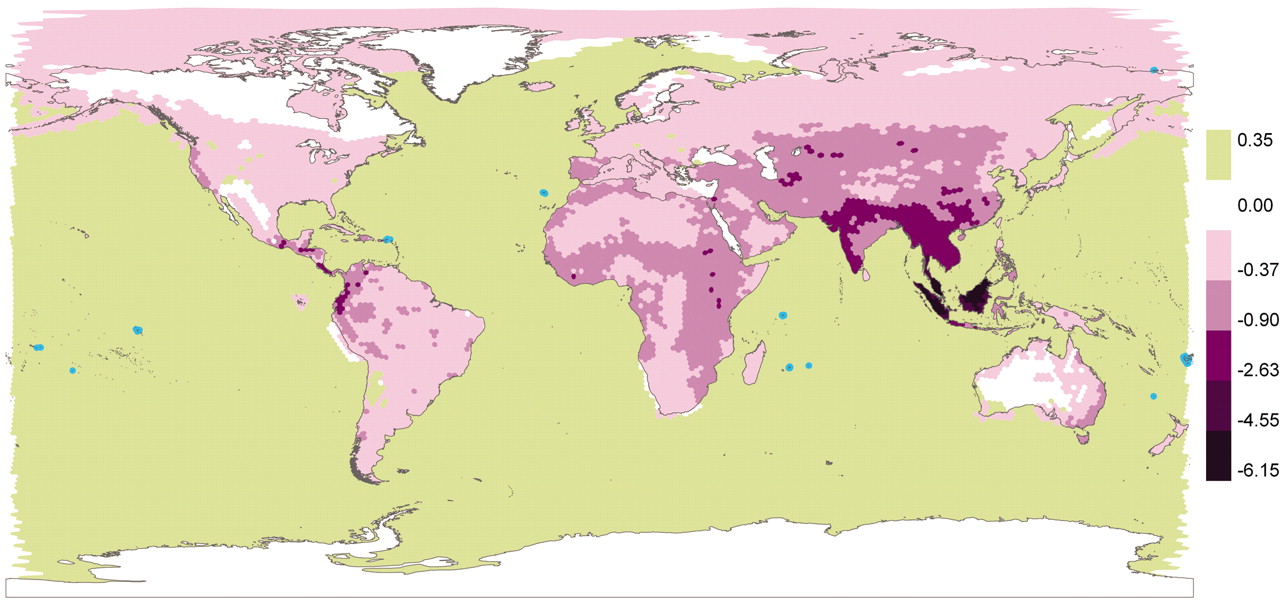
Hoffmann et al. (2010), ‘The Impact of Conservation on the Status of the World’s Vertebrates’, Science 330 (6010), p. 1503-1509.
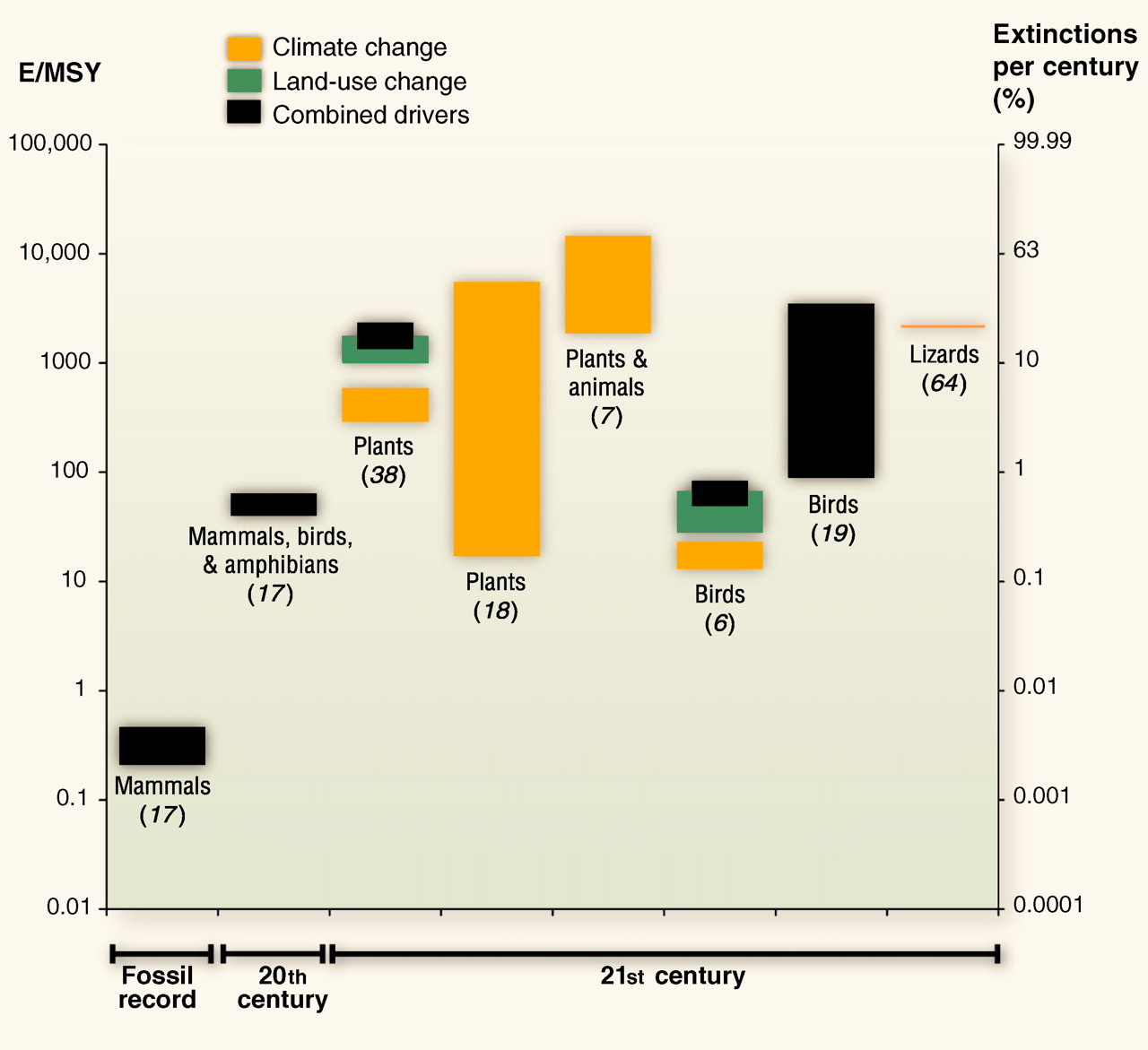
Pereira et al. (2010), ‘Scenarios for Global Biodiversity in the 21st Century’, Science 330 (6010), p. 1496-1501.
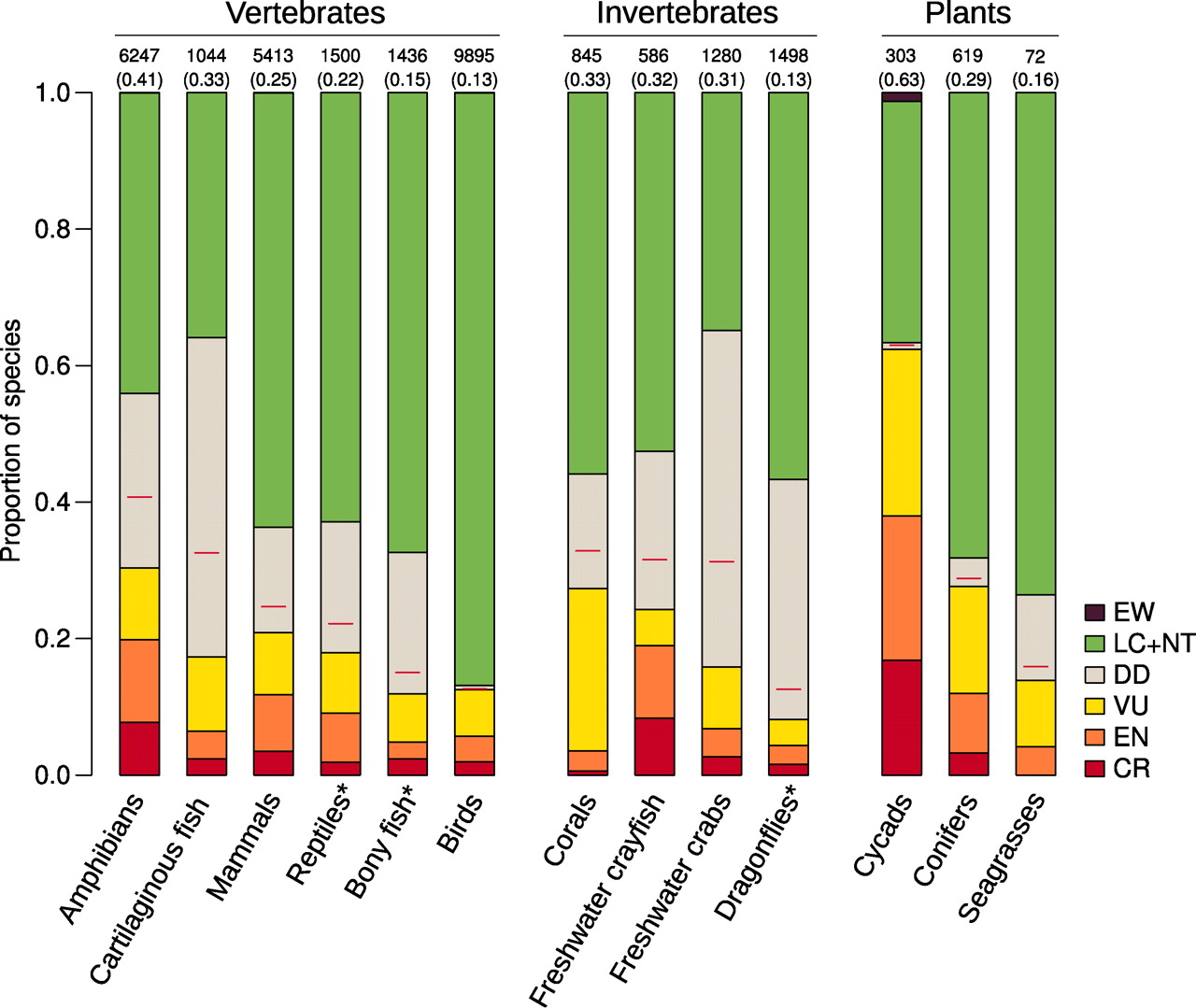
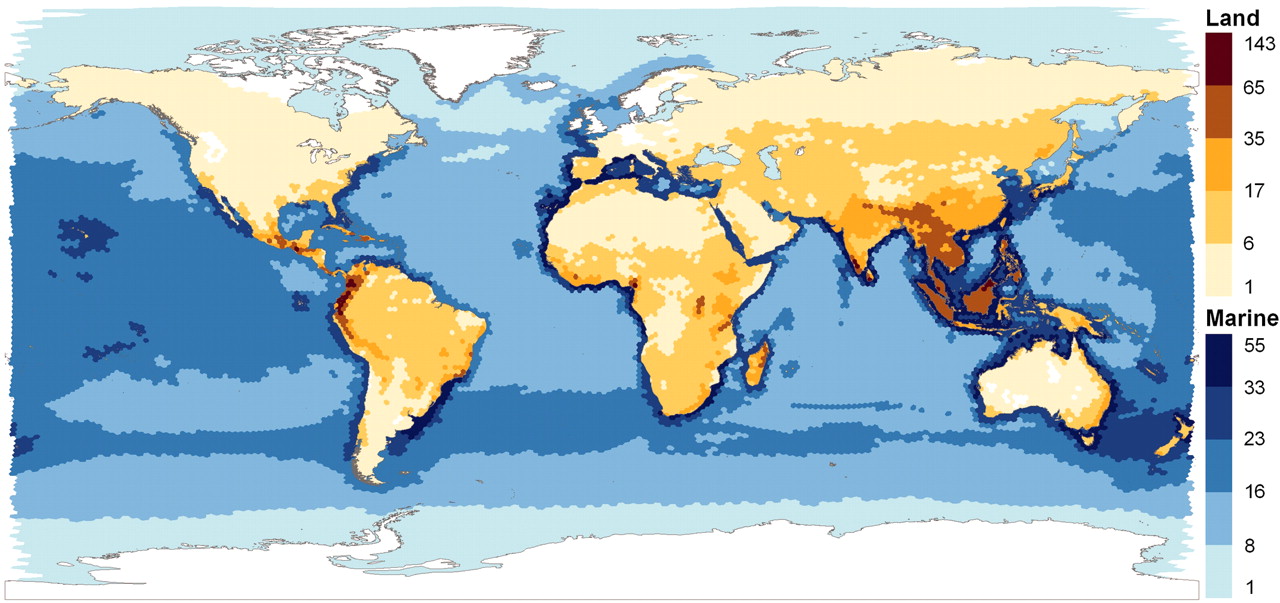
Hoffmann et al. (2010), ‘The Impact of Conservation on the Status of the World’s Vertebrates’, Science 330 (6010), p. 1503-1509.
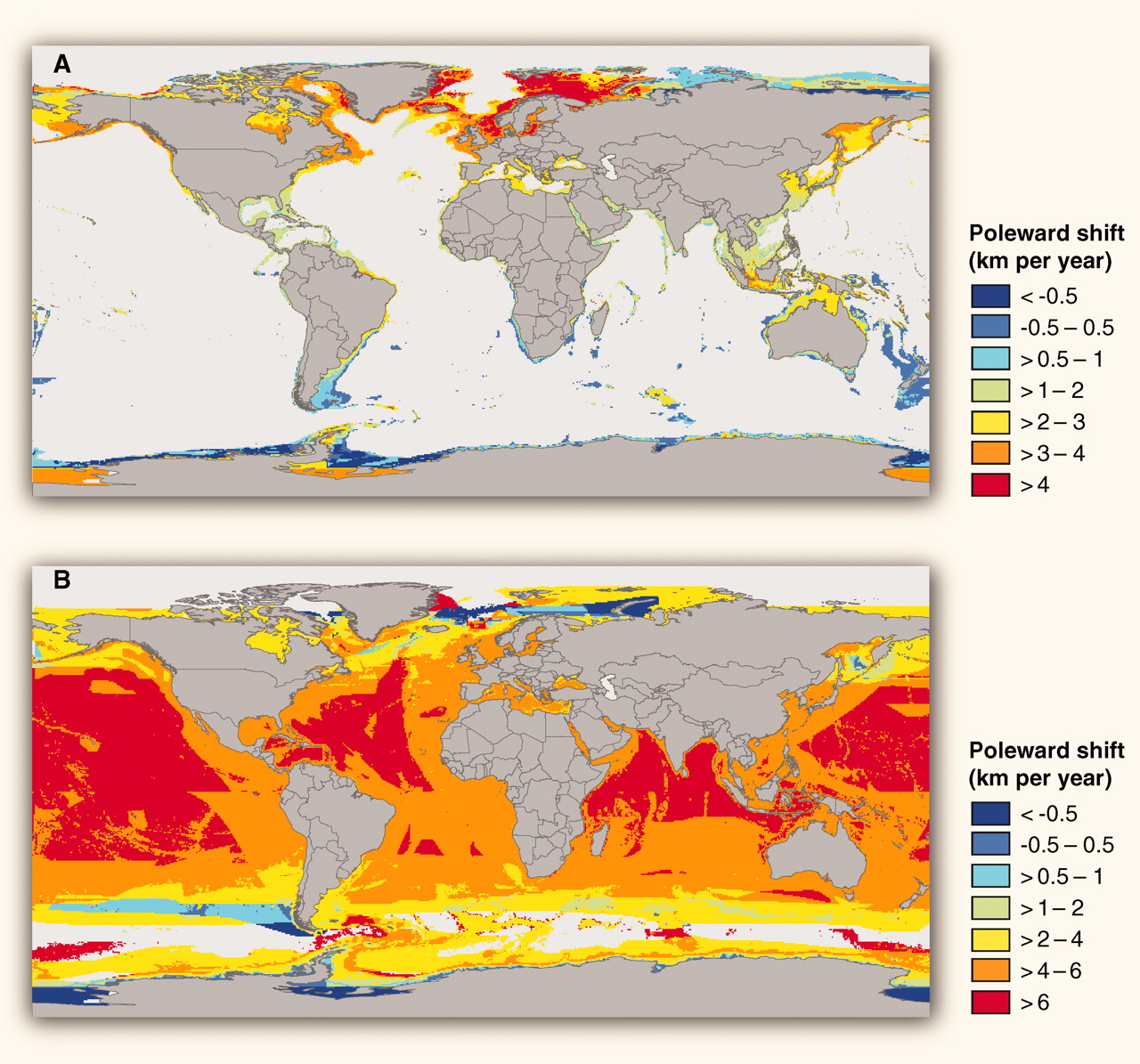
Pereira et al. (2010), ‘Scenarios for Global Biodiversity in the 21st Century’, Science 330 (6010), p. 1496-1501.
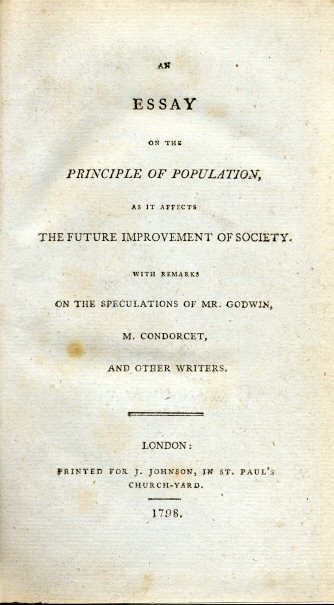 Malthus’ work is, I suspect, more cited than read.
Text: http://www.econlib.org/library/Malthus/malPlong.html
Audio: http://librivox.org/an-essay-on-the-principle-of-population-by-thomas-malthus/
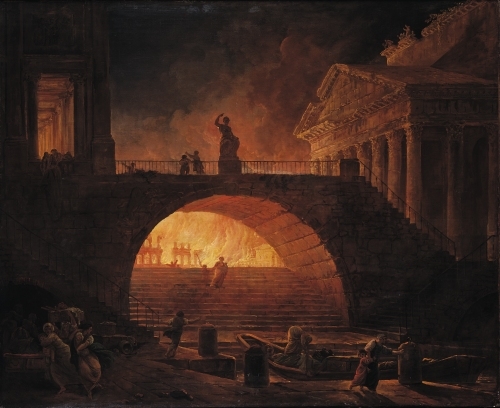
Hubert Robert (undated, he lived 1733-1808), A Fire in Rome.
“[…] the age is now senile […] the World itself […] testifies to its own decline by giving manifold concrete evidences of the process of decay. There is a diminution in the winter rains that give nourishment to the seeds in the earth, and in the summer heats that ripen the harvests. The springs have less freshness and the autumns less fecundity. The mountains, disembowelled and worn out, yield a lower output of marble; the mines, exhausted, furnish a smaller stock of the precious metals: the veins are impoverished, and they shrink daily. There is a decrease and deficiency of farmers in the field, of sailors on the sea, of soldiers in the barracks, of honesty in the marketplace, of justice in court, of concord in friendship, of skill in technique, of strictness in morals. […] Anything that is near its end, and is verging towards its decline and fall is bound to dwindle. […] This is the sentence that has been passed upon the World […] this loss of strength and of stature must end, at last, in annihilation.” – Cyprian (~3rd Century A.D.), Ad Demetrianum.