Ian Urbina (2019)
 Great book. Everyone should read it!
Ian Urbina (2019)
Great book. Everyone should read it!
Stephen Holmes & Ivan Krastev (2020)
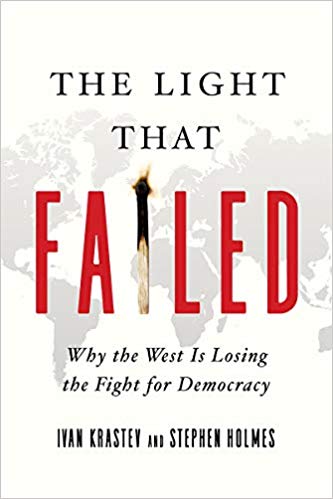
One the most rigorous and coherent cases for why & how the current anti-liberal backlash started and endures. Quite repetitive but worth it.
Timothy Snyder (2018)
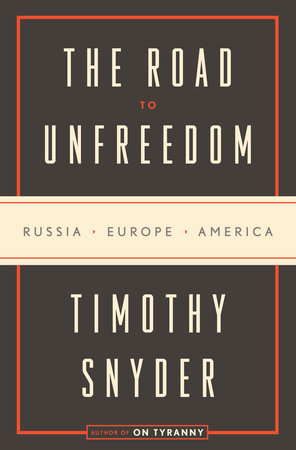 Â A must.
 A must.
Edward Glaeser (2011)
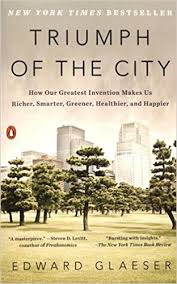 I read many books with certain expectations, I suppose. I read this one because I wanted to know more about cities and slums in the Global South. This book failed to deliver the goods on this front. Perhaps ‘Triumph and Fall of the American City’ would have made for a more honest title.
Pankaj Mishra (2017)
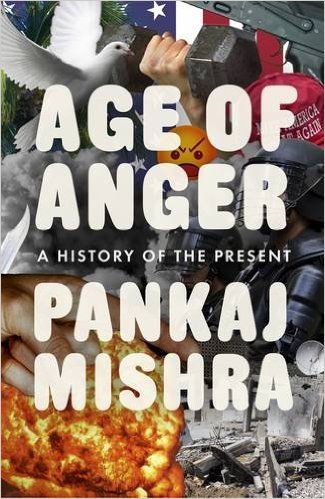 Pankaj’s new book might well have been subtitled, ‘An Anthology of Terrorism’. And at times it’s not the most cohesive one, reading more like a smattering attempt to capture every act of politically subversive violence, and a checkered description of the perpetrators and their inter-relationships, since the Enlightenment.
But looking through this somewhat ramshackle layer of narrative exposes an uncut gem of substance. Pankaj makes the case that the same fundamental processes that are giving rise to the likes of Brexit, Erdogan, Hofer, Le Pen, Orban, Trump and Wilders simultaneously explain ISIS. Ressentiment, in a nutshell:
“… where individual dissatisfaction with the actually available degree of freedom constantly collides with elaborate theories and promises of individual freedom and empowerment.â€
(1957)
  No good. If only it lived up to its title …
Branko Milanovic (2016)
 _
_
Francis Fukuyama (2014)
 To all y’all Wes-Coas homies who tuned me I’d nevah pull off dah Opus let me herewith undiss mahself cause here it iz ya know its true that I got thru.
Respec, y’all. Respec.
And a Big One goes out to mah main man Fukuyama. You the man for pullin’ this togetha man, dat some mad Eas-Coas politico-economic skillz mah man.
Peace out.
Yanis Varoufakis (2016)
 At times haughty and generally poorly structured, with confusing achronological interludes. That’s the bad stuff out of the way. On balance, still a highly worthwhile read, in particular the last two chapters, ‘Back to the Future’ and ‘Europe’s Crisis, America’s Future’. Also a must-read for anyone that seriously wants to take an informed position in the Brexit debate, rather than just follow the dogma – ‘progressive Brexin’ and ‘populist Brexit’ alike!
David Porter (2014)
 An unashamedly opinionated account of the privatization of the UK energy industry, told from the inside. Highly recommended for market fundamentalists and opponents alike.