============
Course Overview | The Earth as an Island in Space | "What would you like to learn & do?"
Systems Theory, Thermodynamics and 'Sustainability' | Mass Extinctions | The Collapse of Civilizations
Current Financial Crisis | Technofix Future
Returns to Scale | Violence | "'Growth Will Kill Us All!' versus 'Growth Will Save Us!'"
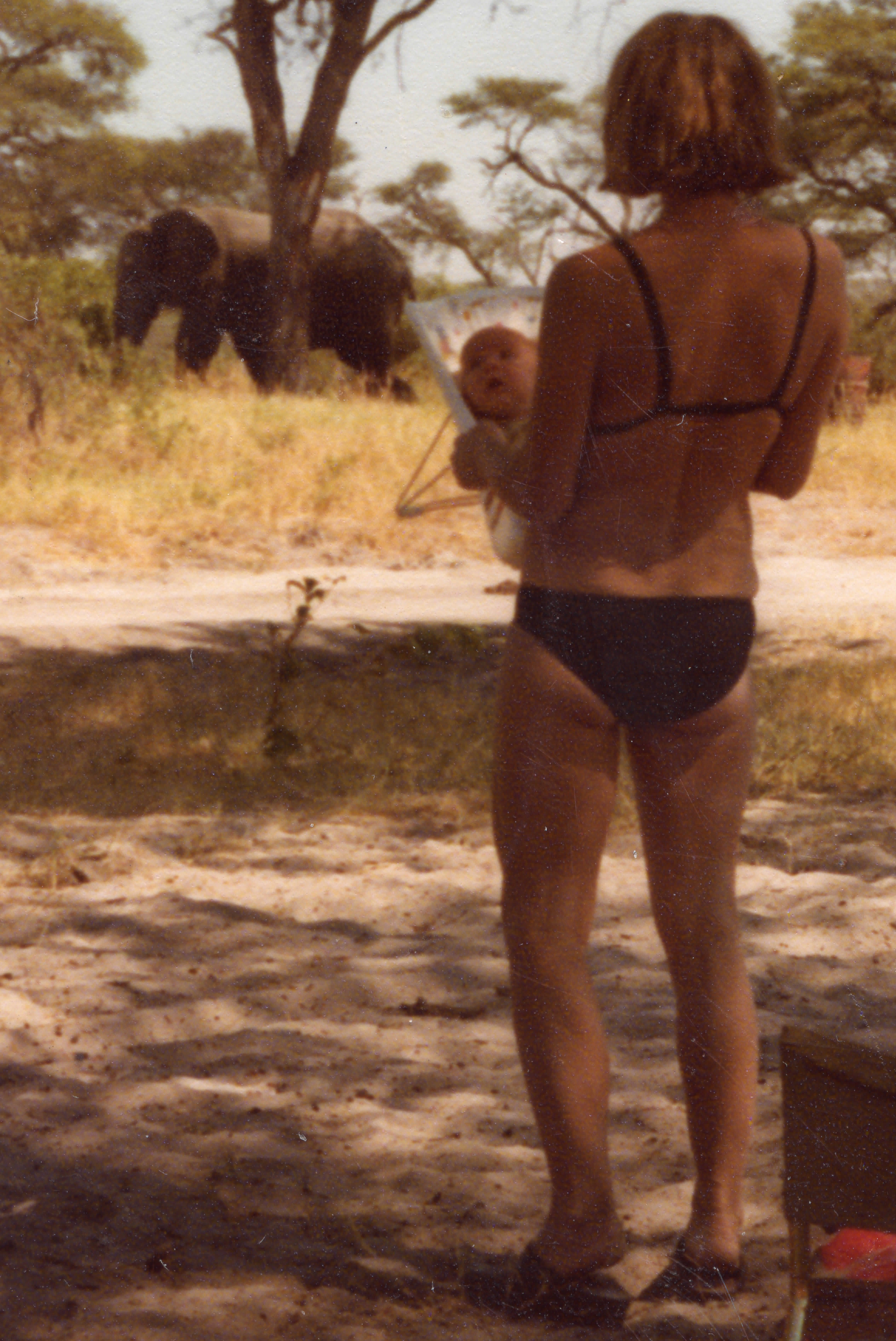
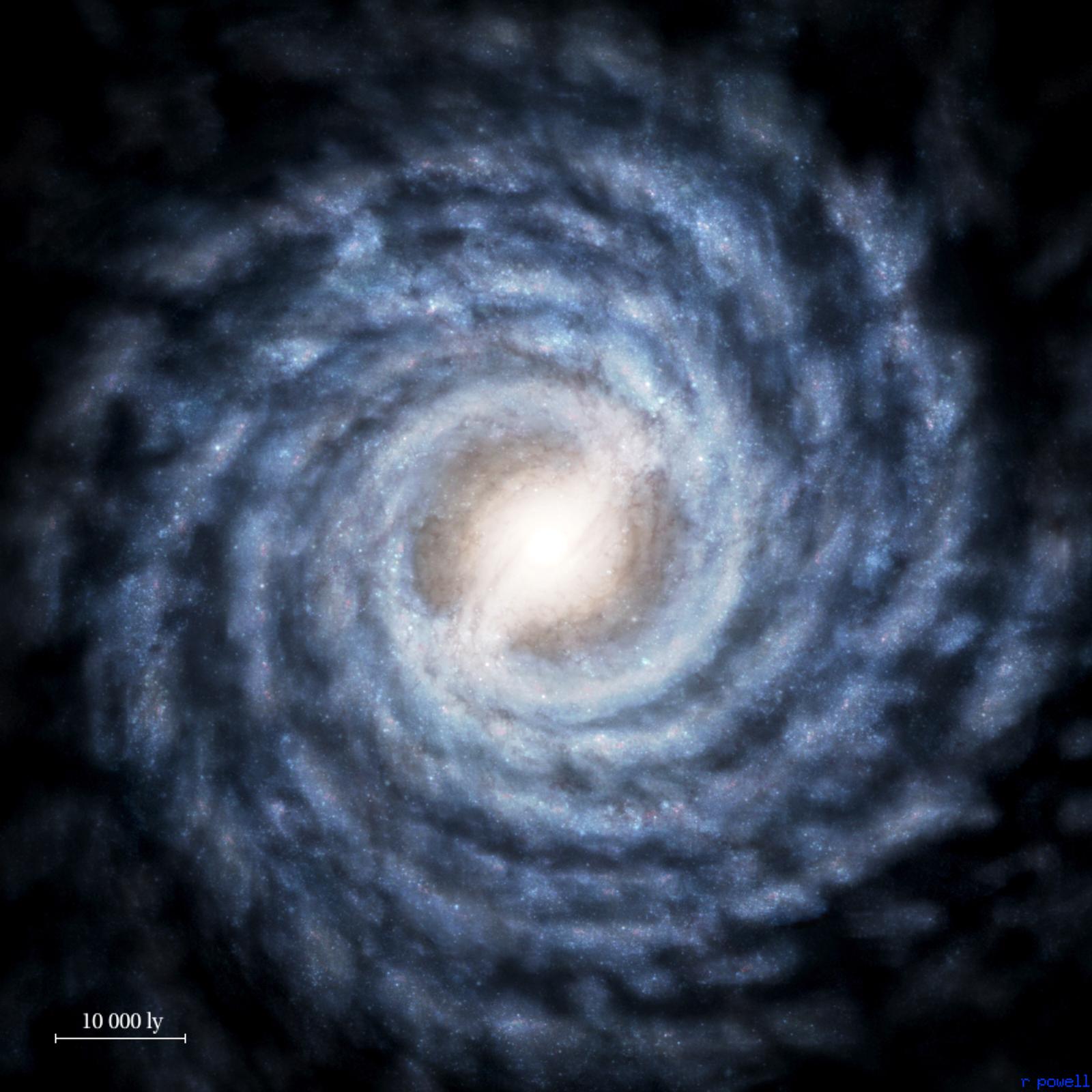
The Earth as an Island in Space
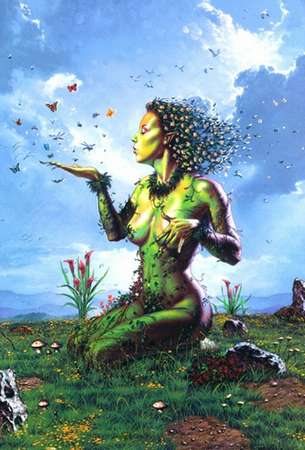
The Earth as an island in space
Worst-case scenario
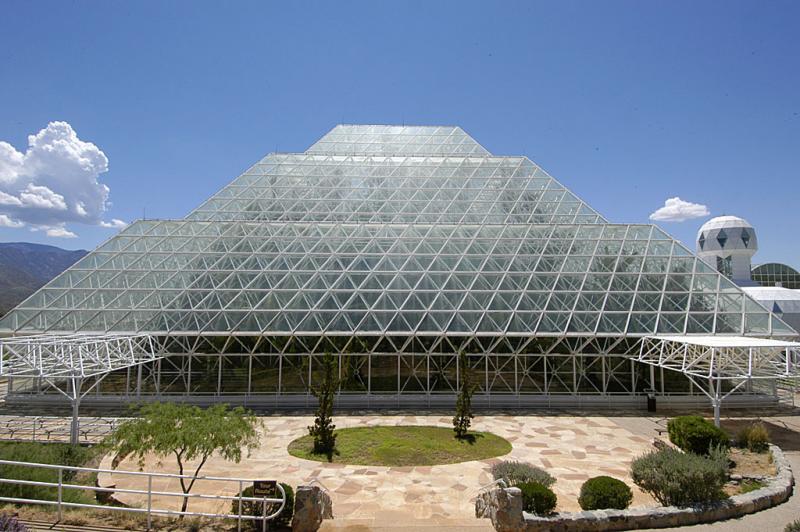
The Biosphere II Project: a possible analogy?
Reading
(None)
Discussion
"What would you like to learn & do in this course?"
Excursions
Optional cultural experience: Wall Street bail-out protest
16:00 Thursday September 25; Washington Mutual Building 1301 2nd Ave, downtown Seattle
Depart University Way NE & NE 41st St At 03:33 PM On Route MT 73 Downtown Seattle Express
Arrive University St Sta Ac & Tunnel Sta.-BAY C At 03:53 PM Walk 0.1 mile W to 1301 2ND AVE
Information:
Naomi Klein's website Seattle Activism website
Optional cultural experience: The Battle for Seattle
19:00 Friday September 26; Neptune Theatre, 1303 N.E. 45th at Brooklyn Ave, University District
Systems Theory, Thermodynamics and 'Sustainability'

Introduction to Systems Theory
Closed systems
Fluxes
Matter
Energy
Open systems
Self-organization
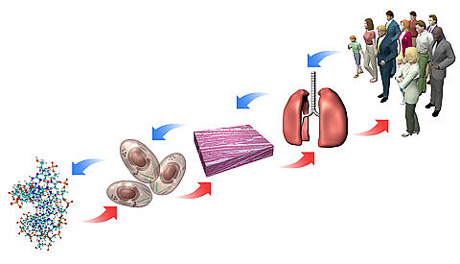
Nested hierarchies
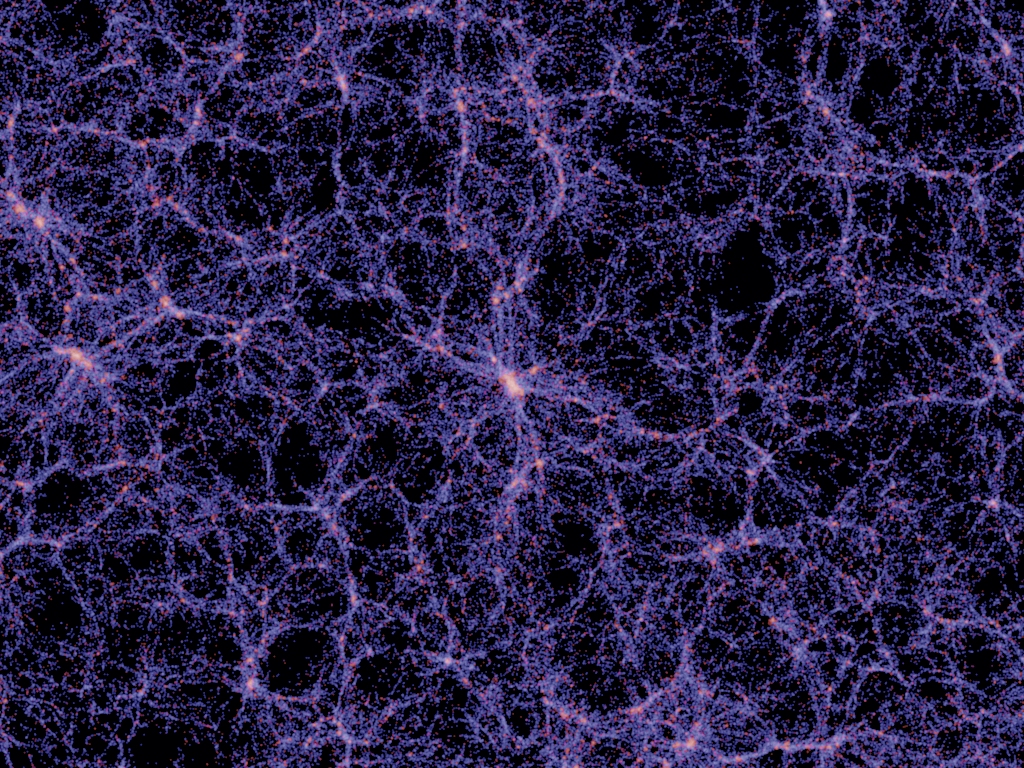
Cell < Tissue < Organ < Organism < Community < Ecosystem < Biosphere < Gaia <... < The Universe
Economies
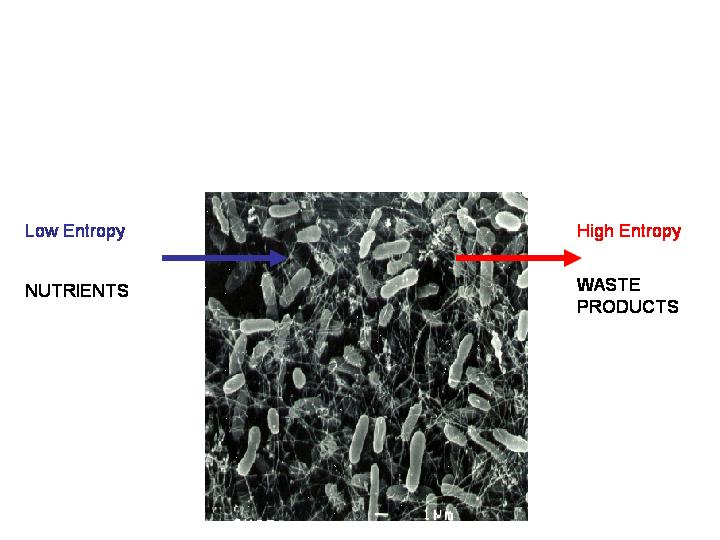
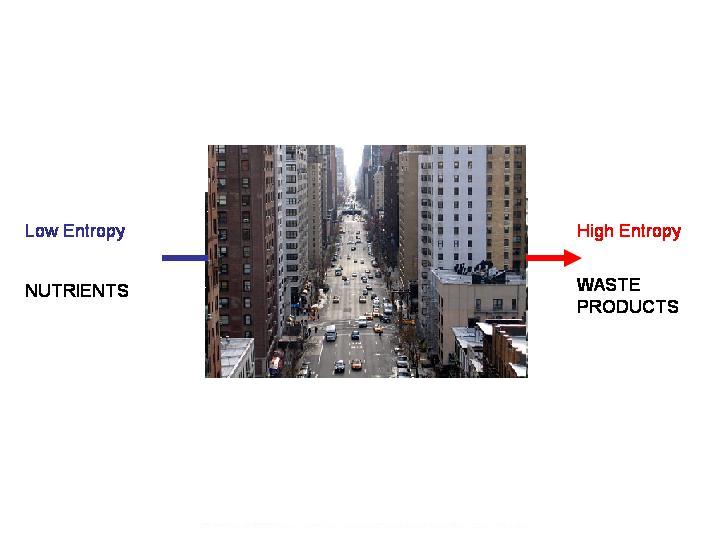
Environmental Economics: The Economy as a sub-system of Gaia
Low-entropy commodities
High-entropy waste products
Physical, theoretical foundation of 'Sustainability'
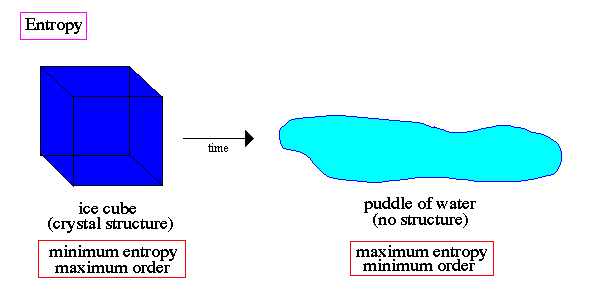
Entropy, Order and Energy
"Transformation content"
Second Law of Thermodynamics
"In any reaction, the Entropy of the Universe increases"
Entropy/energy flow and Self-organization
Growth, maintenance and decay
Sustainability
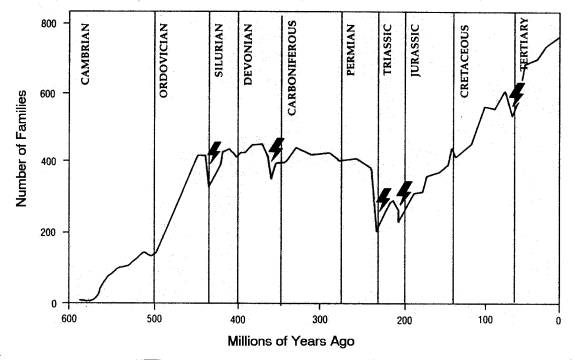
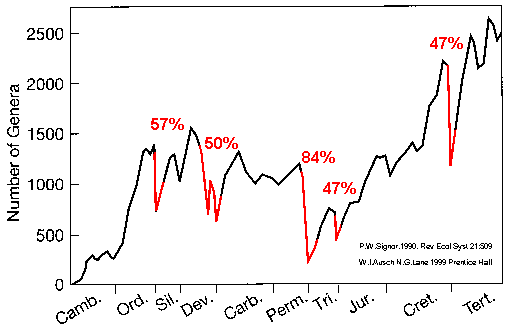
Mass Extinctions
Causes
Climate change
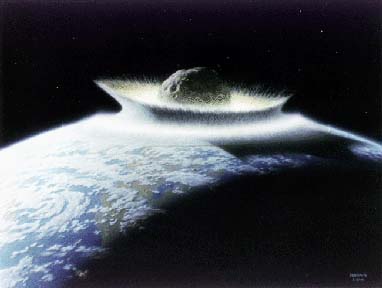
The 'Sixth Extinction'
The importance of Timescale
0.1 billion years: sporadic extinctions
1 billion years: loss of oceans
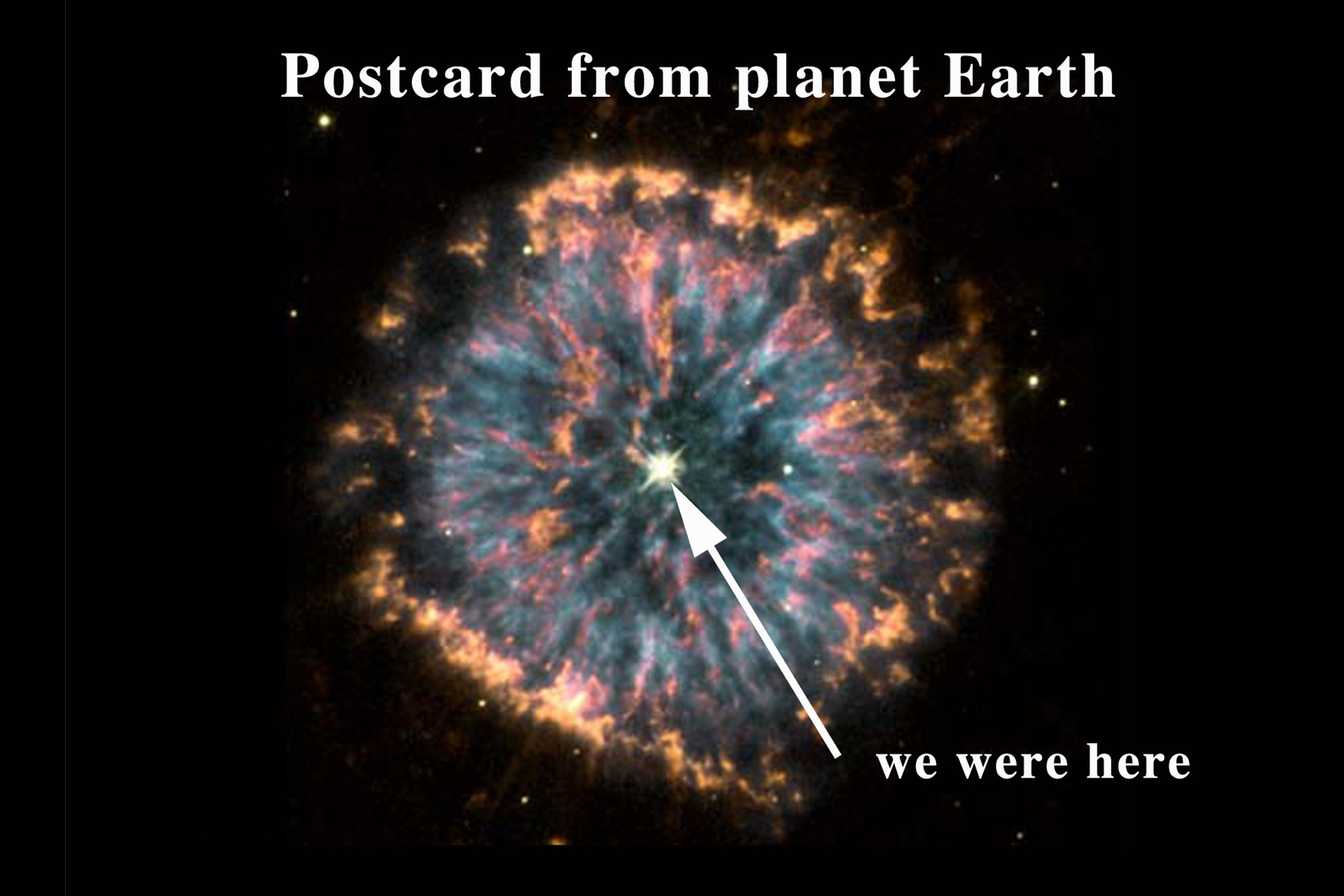
4.5 billion years: loss of Earth
15 billion years: heat death of Universe
The Collapse of Civilizations
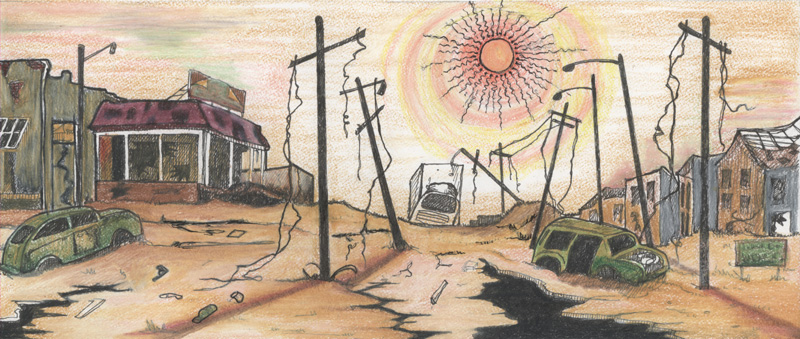
Complete and incomplete collapses
Many different models
Resource depletion
War, disease, famine
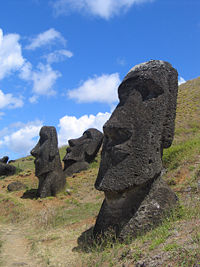
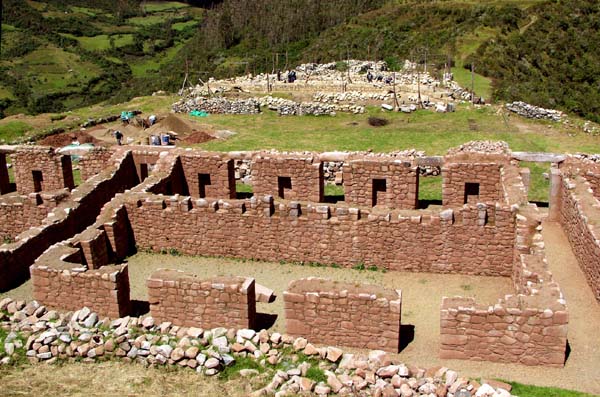
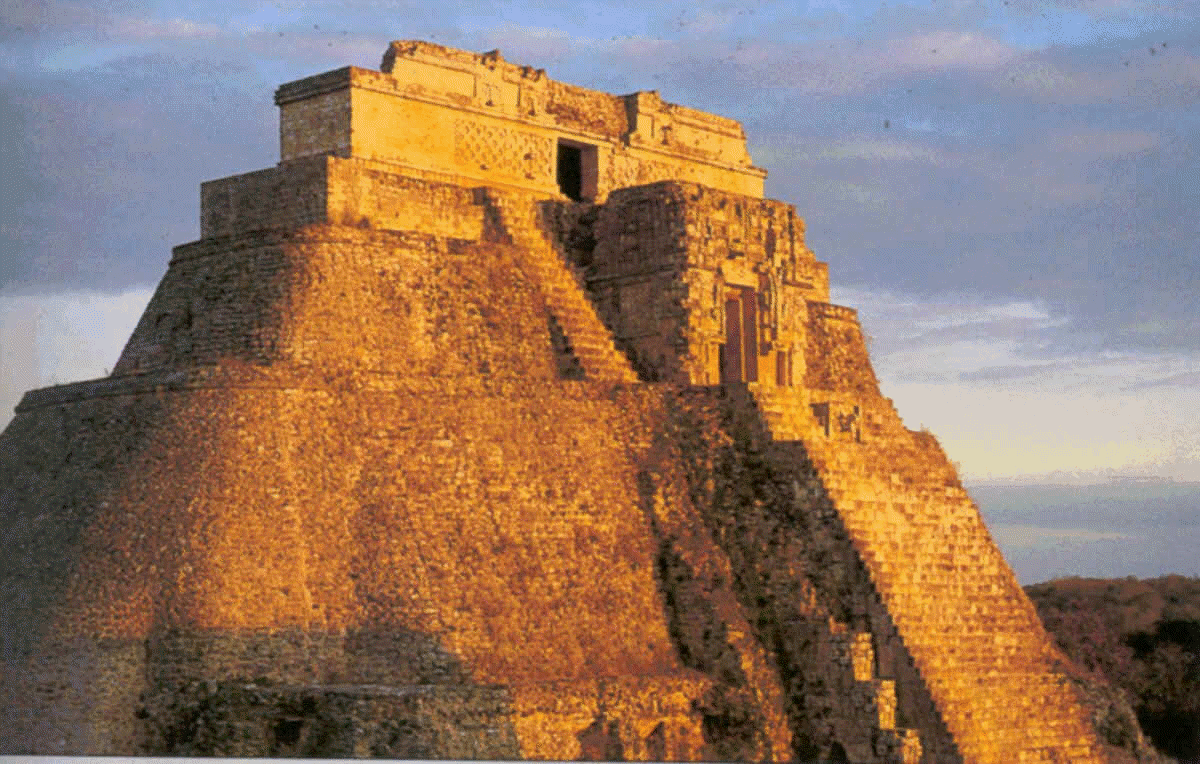
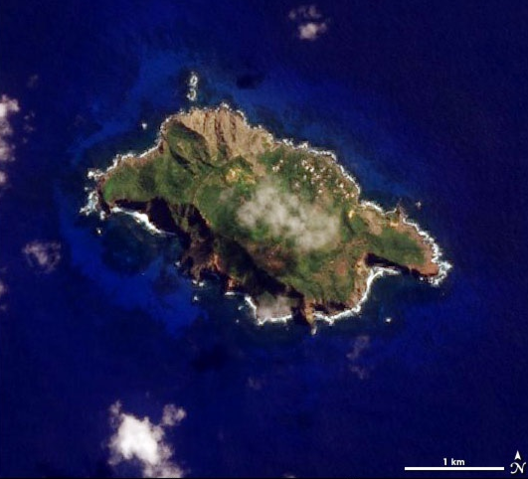
Roman Empire, Easter Island, Babylonians, Anasazi, Aztecs, Incas, Mayans, Angkor Wat, Pitcairn Island, Henderson Island, Malden Island, ...
Sumer, Mycenaean Greece, Classical Greece, Han Dynasty, Tang Dynasty, Indus Valley, Izapa, Etruscans, Olmec, Ancient Egypt, Norse colony on Greenland, Hittites, Munhumutapa, Ancient Levant, Chin-, Sung- Mongol-, Manchu- China, Cahokia, Tokugawa Shogunate, Hindu-, Moghul- India, ...
The 1929/30 Great Depression
Reading
Movie
The Story of Stuff (Annie Leonard)
Discussion
(none)
Events
What: Gifford Pinochet III, "Happiness, Business & the Environment"
When: Wed 01 Oct 16:00-18:30
Where: HUB106B
Excursions
Optional cultural experience: First Thursday Artwalk
Current Financial Crisis

Recommended reading:
Greider, W. (2008), 'Economic Free Fall: Bailing out the Bad Guys'.
'Plutocracy Reborn', The Nation.
Baker (2008), 'The housing bubble and the financial crisis'.
Sapir (2008), 'Global finance in crisis'.
Sapir (2008), 'How far could the U.S. dollar fall?'.
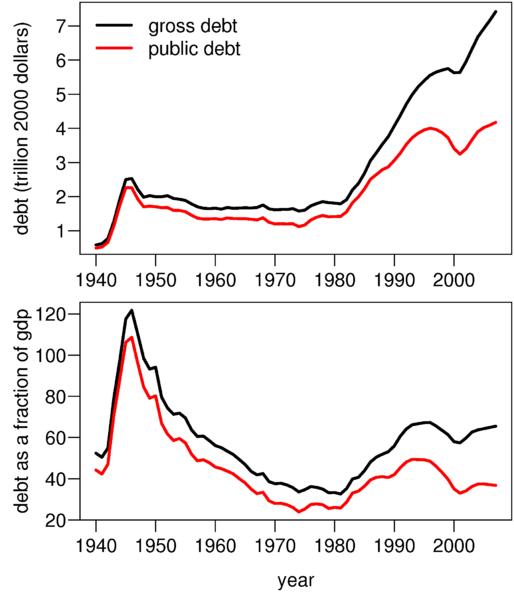
Debt
United States total public debt
Money owed by the U.S. Federal Government
= 'national debt'; 'U.S. government debt'
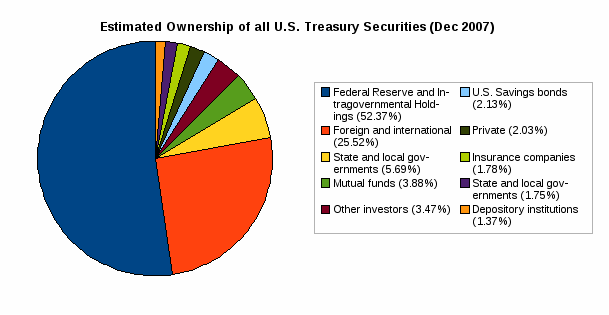
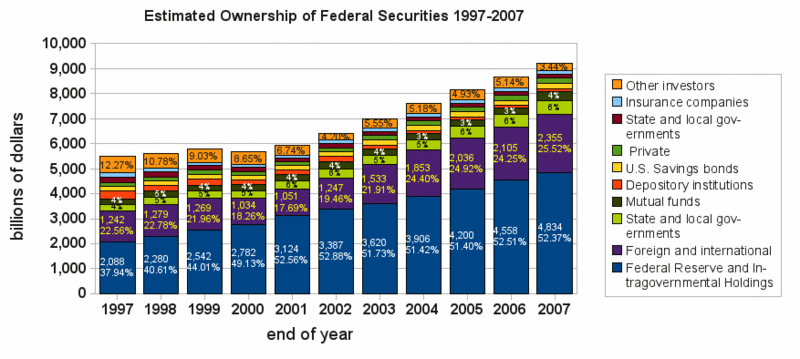
Public accounts
Government accounts
'Debt holder'
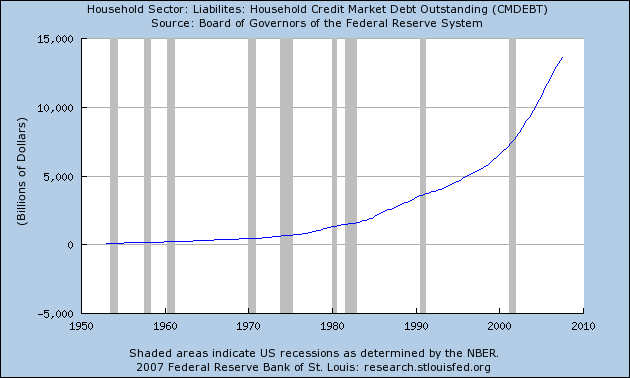
= 'consumer debt'
Technofix Future
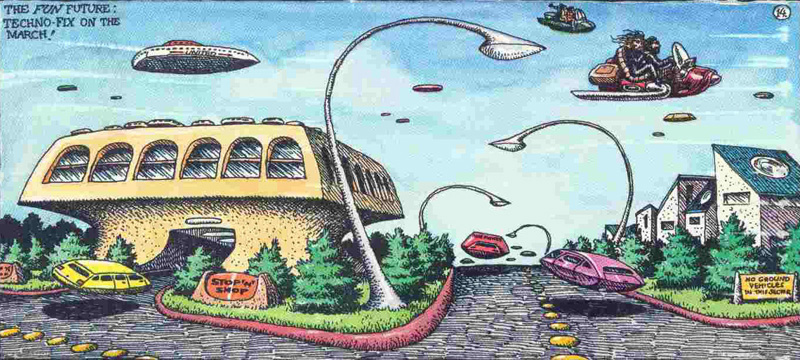
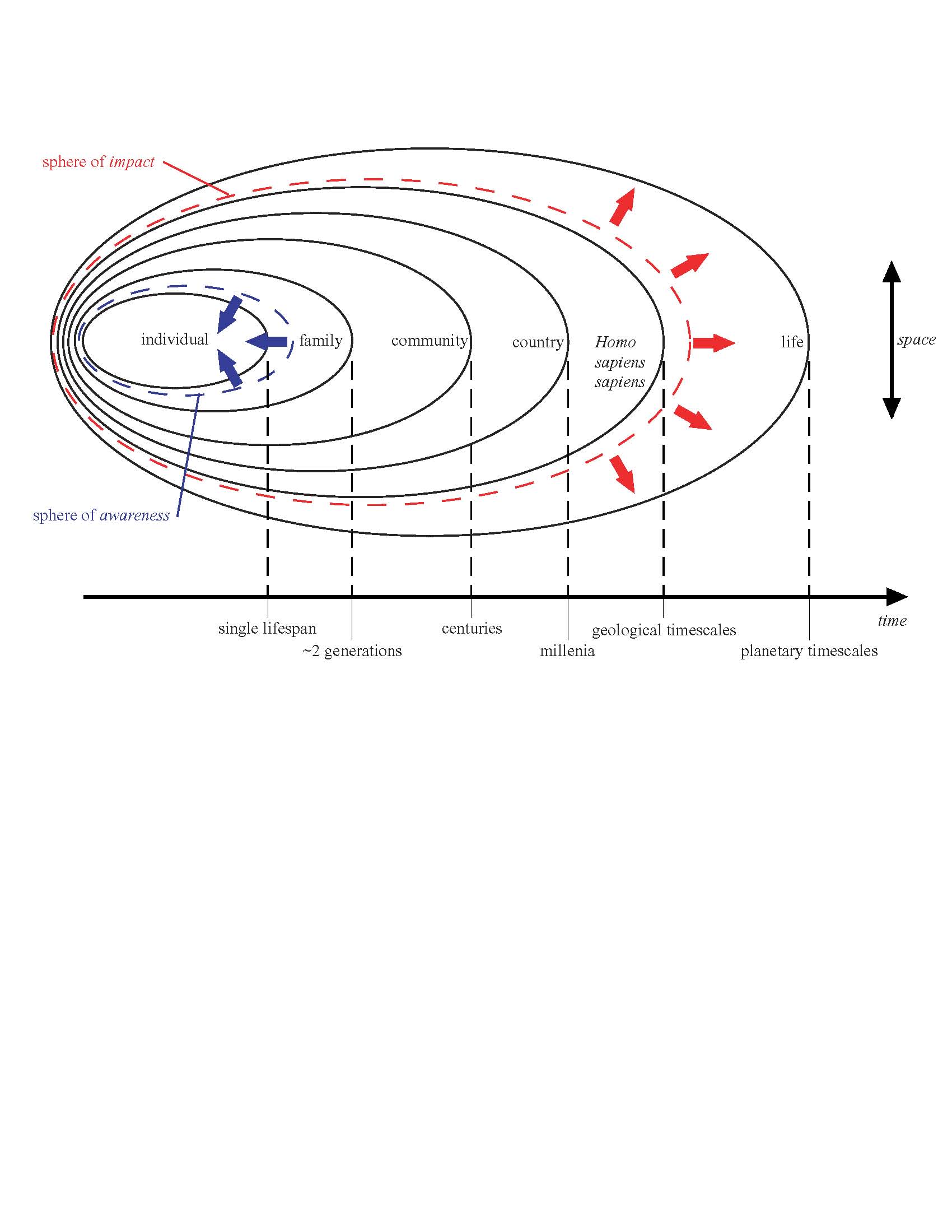
Perspective of Scales
Space
Time
The pace of change
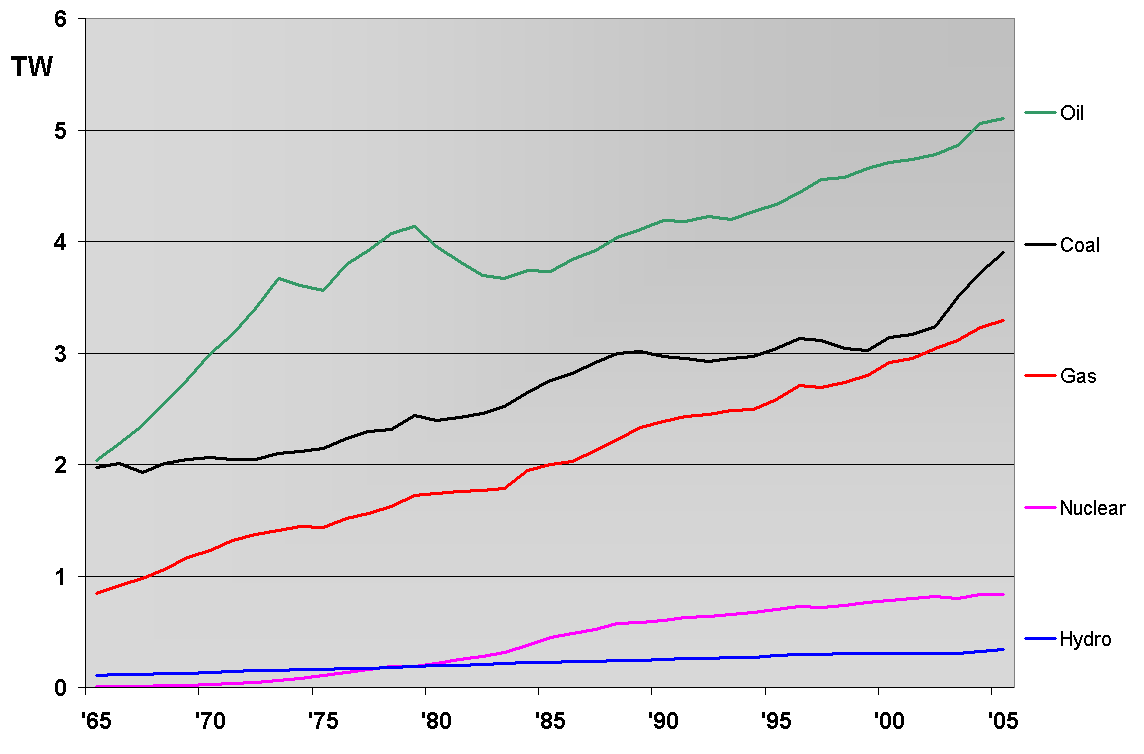
Technology and Energy
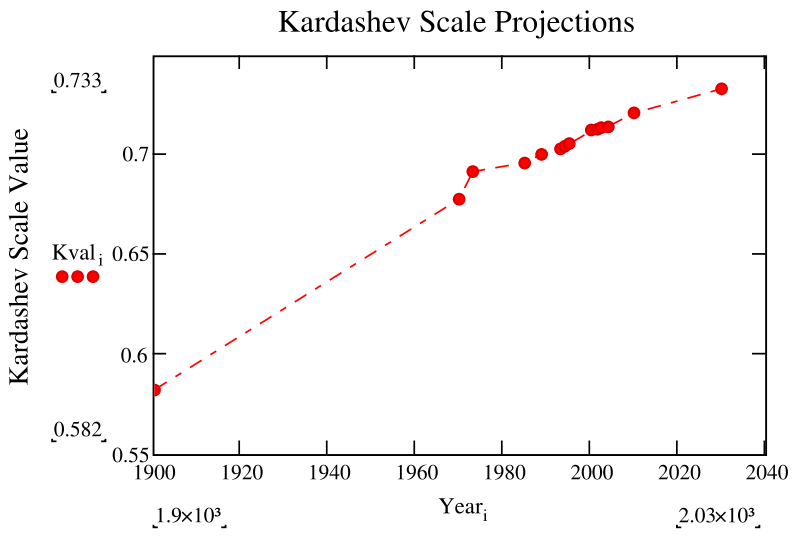
Type I, Type II, Type III -civilizations
Innovation
Synergism
Holism vs. Reductionism
"The whole is more than the sum of its parts"
Example: Delft, Holland in the 1650s [Reinert, pp. 94]
Reading
Movie
'Ground Noise & Static'
Discussion
(none)
Advanced Reading
Returns to Scale
Inputs (factors of production)
I. Land
II. Labor
III. Capital
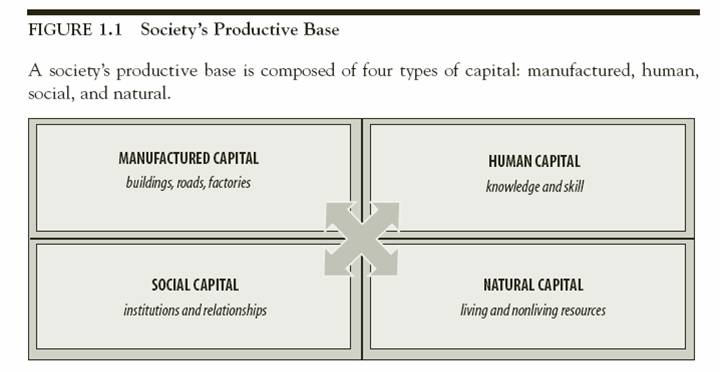
Types of Capital
1) Natural capital
Renewable
Non-renewable
2) Produced ('manufactured') capital
Buildings; Roads; Factories; ...
Undergoes depreciation and /or replacement
Intangible capital
3) Human capital
Knowledge; Skill
4) Social capital
Institutions; Relationships
IV. Entrepreneurship
Marginal returns
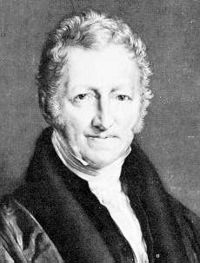
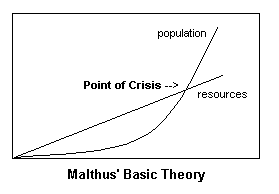
Thomas Malthus (1766 - 1834)
'An Essay on the Principle of Population'
Diminishing marginal returns to scale
Intensive
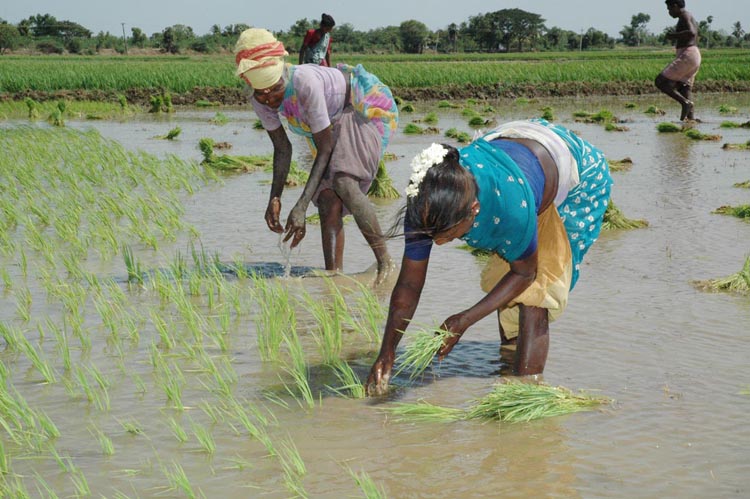
More labor is added to the same plot of land (or other fixed resource)
Extensive
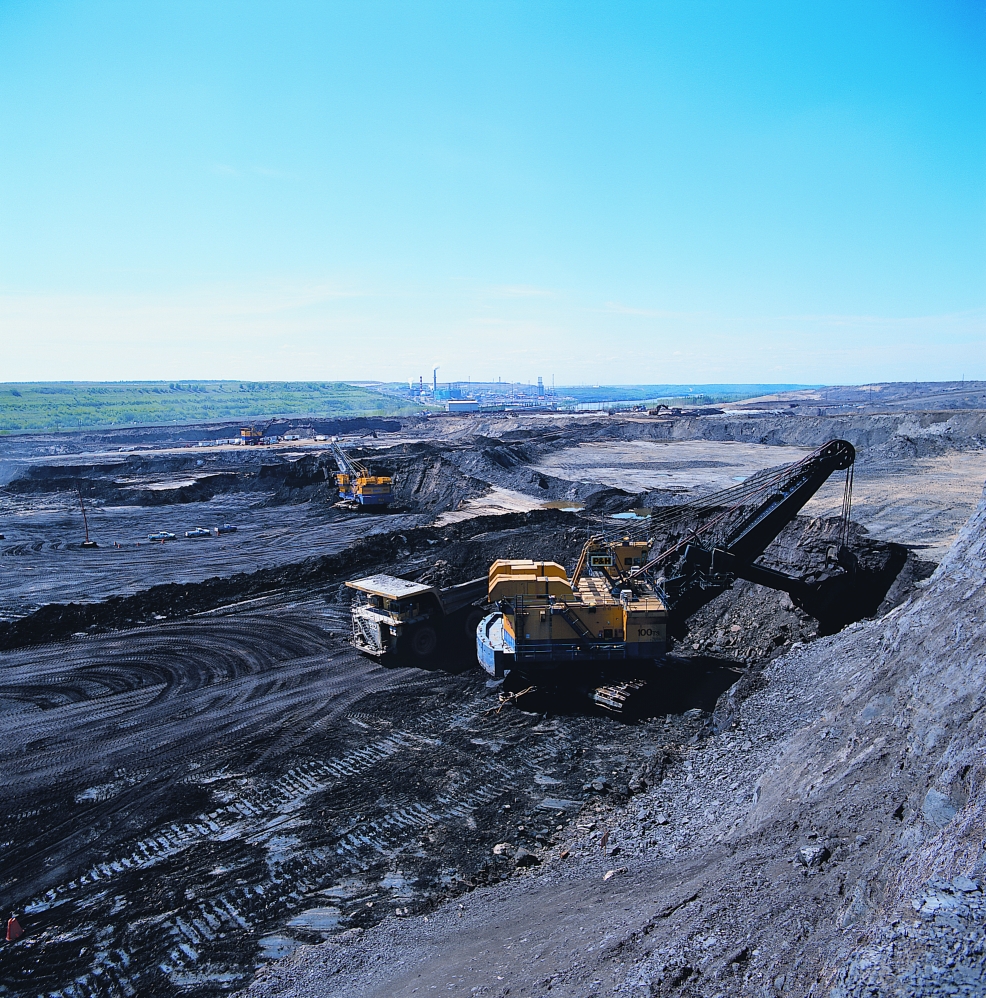
Production is extended into inferior resources
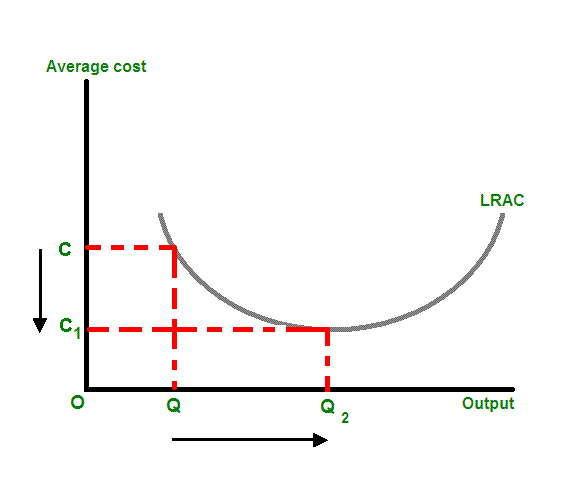
Increasing marginal returns to scale
"Production at a larger scale (more output) can be achieved at a lower cost"
Fixed costs arise when large amounts of capital equipment must be put into place even if only one unit is to be produced.
The costs of this equipment must still be paid even with zero output.
The larger the output, the more the costs of this equipment can be spread out among more units of the good.
Fixed costs
"Those costs that must be incurred even if production were to drop to zero"
Large fixed costs and economies of scale are found in capital intensive industries: chemicals, petroleum, steel, automobiles, other manufacturing, etc.
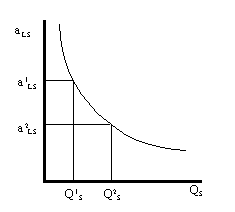
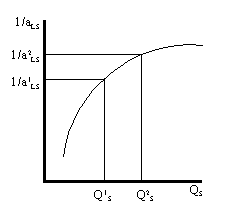
{Output per unit input} versus {Output}
{Input per unit output} versus {Output}
Violence

Population density
Experiments in rats
Rape
Murder
Homosexuality
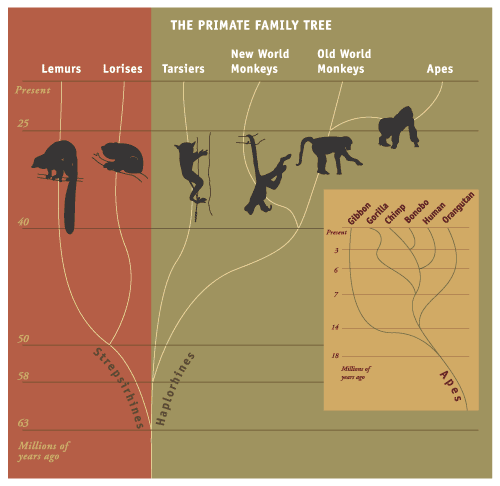
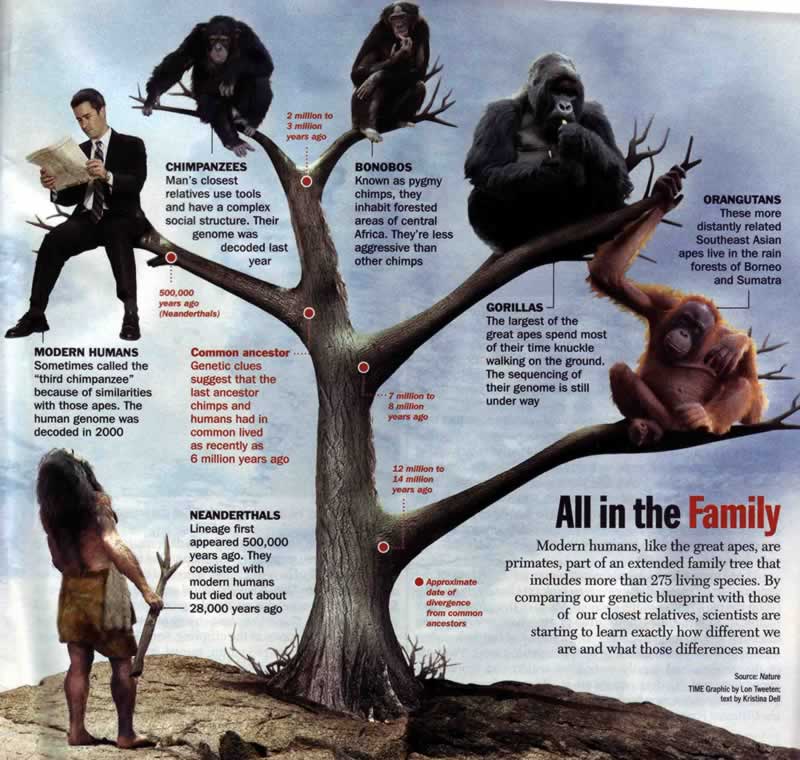
Orangutans
Rape
Gorillas
Infanticide
Chimpanzees
Murder
Dolphins
Bottle-nose dolphin
'Good': Adoption of other species
'Bad': Killing for fun
Humans
Warfare
Co-operation
Technological progress
Example: Second World War radar -> telecommunications -> cellphones, internet, ...
Reading
Meadows, D.H., Meadows, D.L., Randers, J., Behrens, W.W. III (1972), 'The Limits to Growth', Chapter 3: 'Growth in the World System'.
Discussion
"'Growth Will Kill Us All!' versus 'Growth Will Save Us!'"
'One World Flag'
Due: 10:30 on Thursday 30 October
Groups: Form groups of 4-5 members. Minimum 2 males and 2 females per group. Members must not be accustomed to working together: join class-mates whom you do not know well. Elect a flag group representative. Representative must e-mail list of group member names to instructor by 17:00 on Friday 03 October.
Instructions: "... create a flag – free from language and well-worn clichés – that embodies the idea of global citizenship. A symbol that triggers pride and cohesion, whether worn on a backpack, displayed on a door, or flown on a flagpole. A symbol for anyone to declare membership in a growing and vital human cooperative." Include a detailed written explanation of your flag (meaning, symbols, etc.).
Inspiration: AdBusters Magazine
San Juan Islands
Sat 18 Oct 07:00 - Sun 19 Oct 19:00
Saturday
DRIVE: Depart UW Burke Museum Sat 18 Oct 07:00 Arrive Anacortes Ferry Terminal 08:30
FERRY: Depart Anacortes Ferry Terminal 08:50 Arrive Lopez Island Ferry Dock 09:35
(1) Strawbail housing. Lopez Community Land Trust; 758 North Lopez Rd.
(2) Lopez Island Museum; Lopez Village
(3) Take it or Leave it (Lopez Recycling Centre)
(4) Organic Farm
(5) Chadwick Hill
(6) Richardson: a ghost fishing-town
(7) The Galley restaurant; 3365 Fisherman Bay Rd., Lopez Island
(8) Overnight at Lopez Island Junior/Middle School; 86 School Rd., Lopez Island
Sunday
(9) Breakfast at Holly B's
FERRY: Depart Lopez Ferry Dock Sun 19 Oct 09:55 Arrive Orcas Ferry Terminal 10:45
(10) Bullock Brothers Homestead Potluck
FERRY: Depart Orcas Ferry Terminal 16:15 Arrive Anacortes Ferry Terminal 17:05
DRIVE: Depart Anacortes Ferry Terminal 17:15 Arrive UW Burke Museum Sun 19 Oct 19:00